

Level 1 sweep and inspection to the NFPA 211 annual standard - flue, crown, cap, and flashing checked and photographed
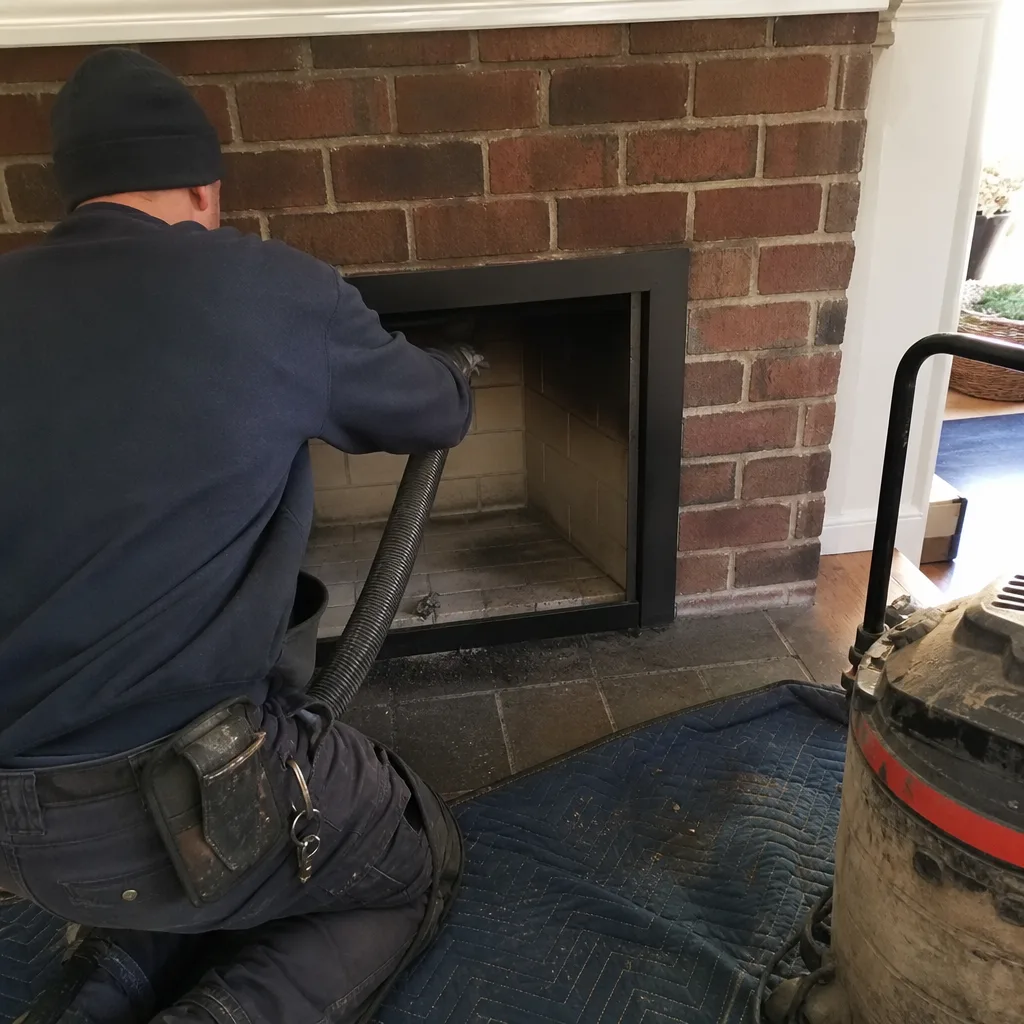
Chimney sweep logs do not sweep chimneys. They loosen some creosote - which then falls where a brush and vacuum still have to collect it.


 Before
 After
After Before
 After
After Before
 After
AfterFast, Reliable Chimney Cap & Crown Across Boston
A chimney cap or crown repair in Boston typically runs $450-$1,800 depending on whether you’re replacing a single rusted cap or rebuilding a spalled crown on a multi-flue triple-decker stack. In most Boston neighborhoods we can have a technician out within 3-5 business days, with a written price in your hand before anything gets touched. If water is already getting into your flue, don’t wait. Call (980) 580-8641 and we’ll schedule a Level 2 camera inspection with a documented photo record of whatever we find.
Why Emberly Chimney Cleaners Is Boston’s Preferred Chimney Cap & Crown Company
Boston’s housing stock is unlike anywhere else we work. Triple-deckers in Dorchester, South Boston, Jamaica Plain, and Roxbury routinely run three separate flues through a single brick stack. That means a cracked crown isn’t a one-fireplace problem. It’s a water intrusion event for every unit sharing that stack, and sometimes a liability question for two or three different landlords. We’ve inspected and swept more than 38,000 chimneys since 2009, and in Boston, the recurring theme is the same: crowns and caps on multi-flue stacks get deferred until water is already migrating through the brick.
Our crews are background-checked and uniformed, and every job is quoted in writing before work starts under Haven Standard Clause 1. You get a written scope, a written price, and a written warranty. Not an estimate scribbled on a tablet after the tech is already on your roof. Corrine Halstead leads our Boston operations, and she’s built the team around one principle: show the customer what the camera sees, explain what it means in plain English, and put the price on paper before anyone picks up a trowel.
Our Chimney Cap & Crown Services in Boston
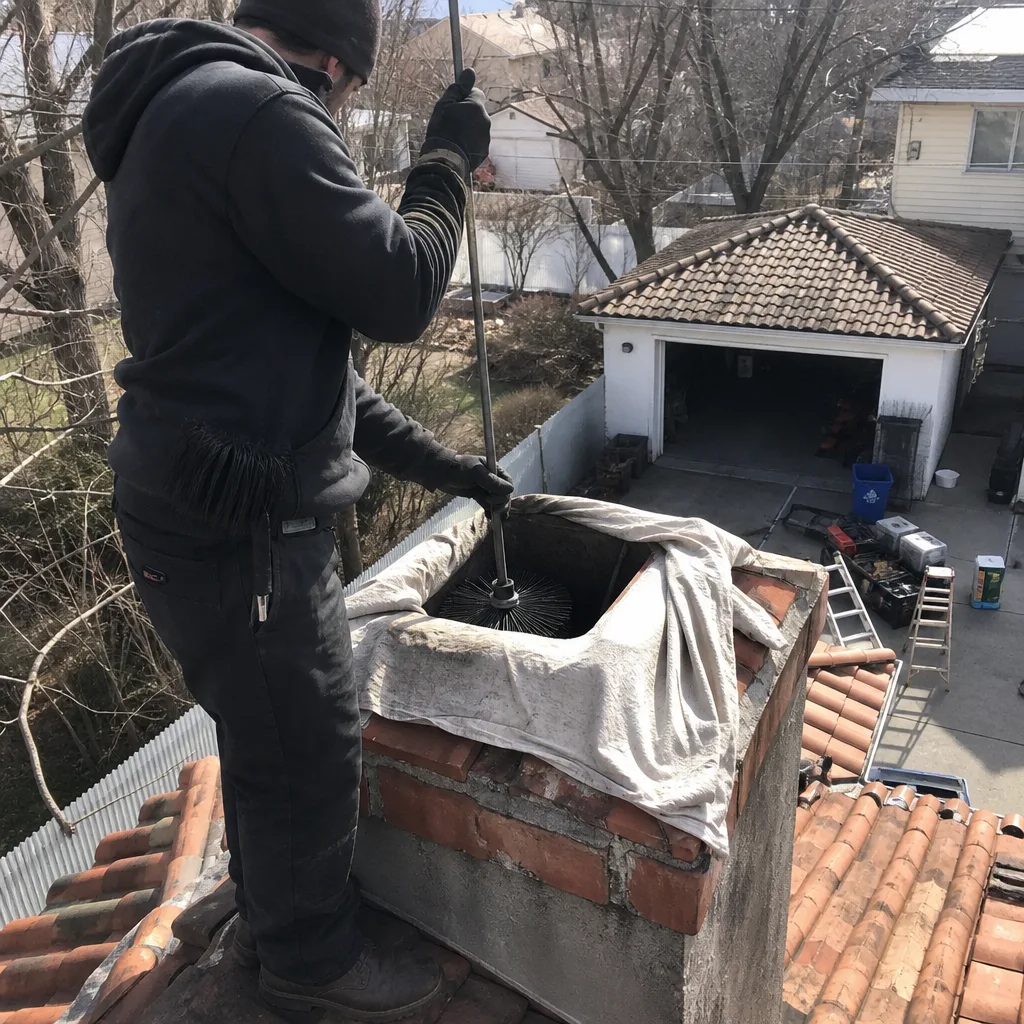
Most Boston homes we visit need one of four things: a new cap, a replaced cap, a rebuilt crown, or a coated crown. Here’s what each involves, priced for this market, with the local conditions that drive our recommendations. You can also read more about the full scope of work on our Chimney Cap & Crown page.
Cap Installation
If your flue is open to the sky, you’re inviting rain, squirrels, and in Boston specifically, chimney swifts. Swifts are protected and once they nest in an unused flue, you legally cannot remove them until they migrate. A properly fitted stainless steel cap stops that before it starts. On most Boston triple-deckers, we recommend a multi-flue cap that spans the entire crown rather than three individual caps. It holds up better against nor’easter winds and gives us one clean surface to seal.

Cap Replacement
Rusted caps are common across Boston, especially within a mile of the harbor where salt-laden air works through galvanized steel in a few seasons. We replace with stainless steel caps from Copperfield and Famco. Those brands hold up against coastal corrosion far better than the galvanized caps installed on most 1990s-era repairs. If your cap is rusted through, the flue has been taking on water for at least one full Boston winter.

Crown Repair
Boston’s freeze-thaw cycling is brutal on masonry crowns. Water gets into hairline cracks, freezes overnight, expands, and by spring you have spalling. A crown with a proper overhang and drip edge keeps water off the brick face. Many century-old Boston chimneys were originally poured without either. That’s the root cause of the chronic spalling we see on Back Bay brownstones and South End row houses. We rebuild crowns with the correct mix, proper slope, and a real drip edge, then seal with Gelco CrownCoat.

Crown Coating
When the crown is structurally sound but has hairline cracks or surface erosion, we coat it with Gelco CrownCoat. This is a flexible, water-resistant membrane that moves with the freeze-thaw cycle instead of cracking against it. On Boston triple-deckers with three flues sharing one crown, coating is often the most cost-effective way to buy another 5-7 years before a full rebuild is needed. It’s a fraction of the cost of a new crown, and we document the before and after with photos every time.

What happens when you call
- 1
A real person answersNo phone trees - you reach a local pro.
- 2
You get an upfront price rangeHonest numbers before anyone is dispatched.
- 3
A background-checked tech heads outLicensed & insured, dispatched right away.
- 4
You approve before work beginsNothing starts until you say go.
BeforeAfterTrusted Brands We Service in Boston
We stock stainless steel caps and crown materials from Copperfield, Famco, and Gelco, all sourced through Haven’s buying network specifically to keep customer pricing honest. We also work with DuraFlex liners on jobs where a deteriorated flue needs relining alongside the cap or crown work. Having these materials on hand means we can usually complete a Boston cap replacement or crown coating in a single visit, without waiting on a supplier shipment.
Common Chimney Cap & Crown Problems We See in Boston Homes
- Spalled crowns on multi-flue triple-decker stacks. One crown, three flues, three units. When the crown cracks, water enters all three flues at once. In Dorchester and South Boston, this is the single most common failure we document with our cameras.
- Caps torn off by nor’easter winds. Cheap galvanized caps don’t survive a 60-mph coastal storm. We replace them with stainless steel and bracket them for wind load.
- No proper drip edge on century-old brownstones. In Beacon Hill and Back Bay, original crowns were often finished flush with the brick face. Water runs straight down the masonry and spalls the soft 19th-century brick over decades.
- Rusted or missing caps on flues serving oil furnaces. Boston’s high rate of home heating oil means many stacks have an active flue that’s needed year-round. A missing cap lets rain mix with sulfurous oil-soot deposits, creating an acidic slurry that eats mortar joints from the inside.
Pricing for Chimney Cap & Crown in Boston, MA
| Service | Typical Range in Boston |
|---|---|
| Stainless steel cap supply and install (single flue) | $450-$750 |
| Multi-flue cap supply and install (triple-decker stack) | $900-$1,800 |
| Crown repair with partial rebuild | $600-$1,200 |
| Full crown rebuild with overhang and drip edge | $1,100-$2,400 |
| Gelco CrownCoat application | $350-$700 |
What affects your price: how many flues share the stack, whether the crown needs patching or a full rebuild, and roof access difficulty on Boston’s pitched triple-decker roofs. Every quote is written before work starts. Every job includes a documented photo record under Haven Standard Clause 4. Call (980) 580-8641 for an exact quote on your chimney.
We Also Serve Cities Near Boston

Our crews cover Boston and the immediate surrounding area, including Somerville, Cambridge, Chelsea, and Everett. If you’re in one of those cities and need a Chimney Cap & Crown in Boston standards, we bring the same written-price guarantee and same camera documentation to your chimney. Same crews, same Haven Standard, same photo record before we leave.
Serving Boston, MA - Our Local Coverage Area
We’re based in the Boston area and know this community well. Use the map below to see our service coverage - if you’re nearby, we can almost certainly help.
FAQs - Chimney Cap & Crown in Boston

You can do either, but in our experience a single multi-flue cap spanning the entire crown is the better choice for Boston triple-deckers. It eliminates the gaps between individual caps where wind-driven rain gets in, and it stands up to nor’easter wind loads better than three separate units bracketed side by side. The trade-off is upfront cost: a custom multi-flue cap for a three-flue stack runs $1,200-$1,800 installed, versus $450-$750 per individual cap. But you get one sealed surface, one warranty, and no seams. Call (980) 580-8641 and we’ll measure your stack and give you a written price for both options.
You don’t, until someone puts a camera down the flue. Hairline cracks that look fine from the street can be open fissures a quarter-inch wide at the top of the flue tile. In Beacon Hill, where crowns were originally poured without a drip edge, those cracks let water run straight down the brick face. Our Level 2 inspection includes a camera scan of the flue interior. If we see water staining, efflorescence, or spalled brick inside the flue, the crown is transmitting water, not just looking worn. That’s the evidence-based answer, and it’s documented in the photo record we send you before any repair is quoted.
Replace the cap now. But if we’re on the roof anyway, we’ll water-test the crown and check for the hairline cracks that Boston’s freeze-thaw cycles create. Here’s the honest guidance: if the crown has visible cracking or surface erosion, coating it with Gelco CrownCoat at the same time saves you a second mobilization charge later. The coating runs $350-$700 on a typical Jamaica Plain colonial chimney. If the crown is solid, we won’t recommend unnecessary work. Corrine Halstead’s rule is simple: we show you the camera footage, and you decide based on what you see.
No special cap height requirement exists specific to Boston, but Massachusetts 527 CMR fire code and NFPA 211 both require that any cap installed not obstruct flue draft. Practically, in Boston’s wind exposure, that means we use caps with a mesh screen sized for your flue’s venting requirements and a spark arrestor that meets code for solid-fuel appliances. Caps on multi-flue triple-decker stacks need to be engineered for wind load from nor’easters, not just rain. That’s a materials and mounting question, not a code issue, and it’s why we bracket stainless caps to the crown rather than friction-fit them.
Yes, and not because of the fireplace. Your oil furnace flue is active every heating season, and a cracked crown lets rain into that flue. Water mixing with sulfurous oil-soot deposits creates an acidic slurry that attacks the mortar joints from inside the flue. Wait long enough and you’re not doing a crown repair; you’re relining the flue with DuraFlex. The fireplace flue is secondary here. The oil furnace flue is the one carrying exhaust every day, and it’s being compromised by the same cracked crown. Fix the crown now, before the liner becomes the bigger job.
Emberly Chimney Cleaners - Boston’s Answer to Crown and Cap Failure on Multi-Flue Stacks
On a triple-decker off Columbia Road in Dorchester, we found the shared chimney crown spalled so badly that chunks of mortar were resting in the gutter. The top flue serving the third-floor unit had no cap at all; the second-floor flue had a rusted Famco cap that was drawing poorly. We rebuilt the crown with a proper overhang and drip edge, installed custom multi-flue caps on all three flues, and water-sealed the crown with Gelco CrownCoat. Before we left, we showed each tenant how to check the damper and reminded the owner that a Level 2 inspection every year, burn or no burn, catches this before it becomes a leak in three kitchens.
That’s the standard we work to on every Boston job. If it’s not done right, our 365-Day Done Right Promise means we come back and make it right. No re-quote, no argument. It’s Clause 4 of the Haven Standard: a documented photo record on every visit, running continuously since 2009. You’ll see what we see before you pay for anything.
Call (980) 580-8641 to schedule your inspection or get a written estimate. We answer the phone 24/7. You’ll get a named technician, a text when they’re on the way, and a written price before any work starts.
Written by Corrine Halstead, Owner at Emberly Chimney Cleaners, serving Boston since 2009.
Chimney Cap & Crown in Nearby Areas
