
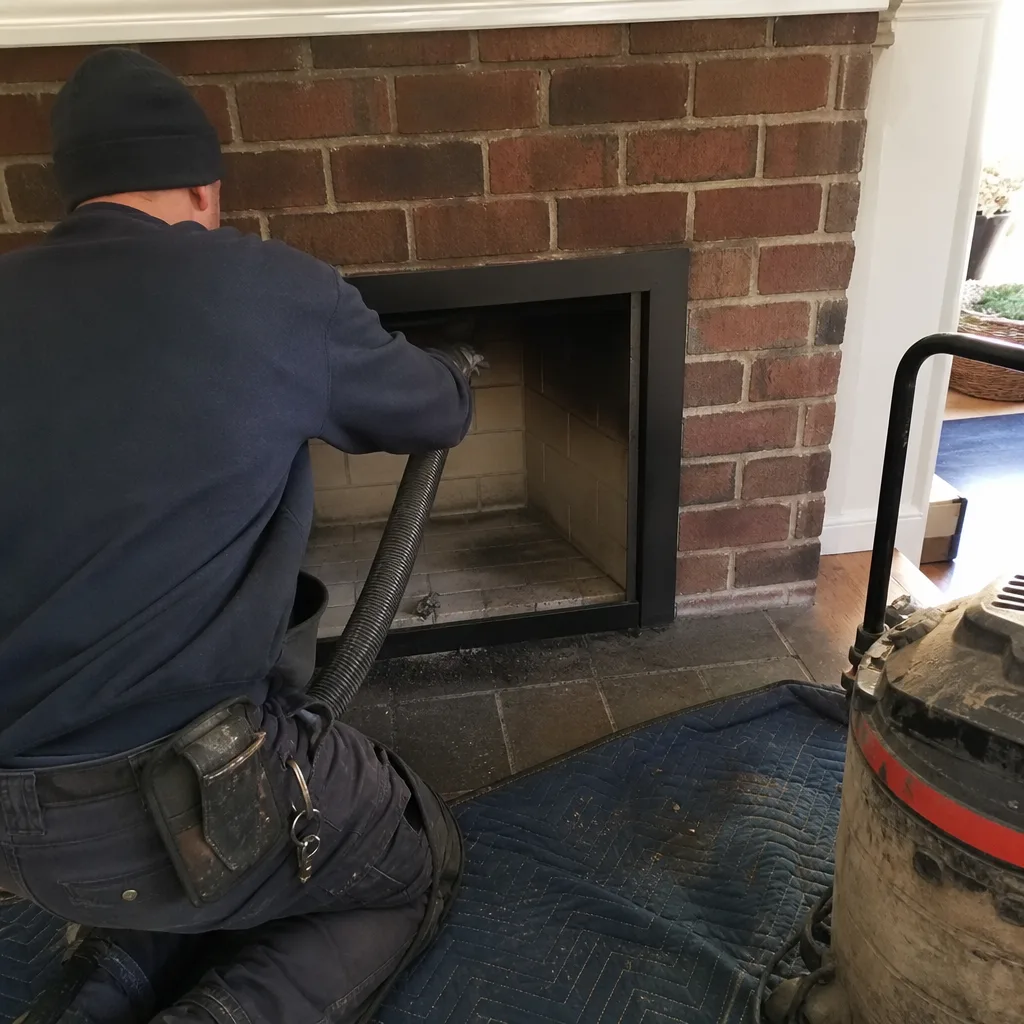
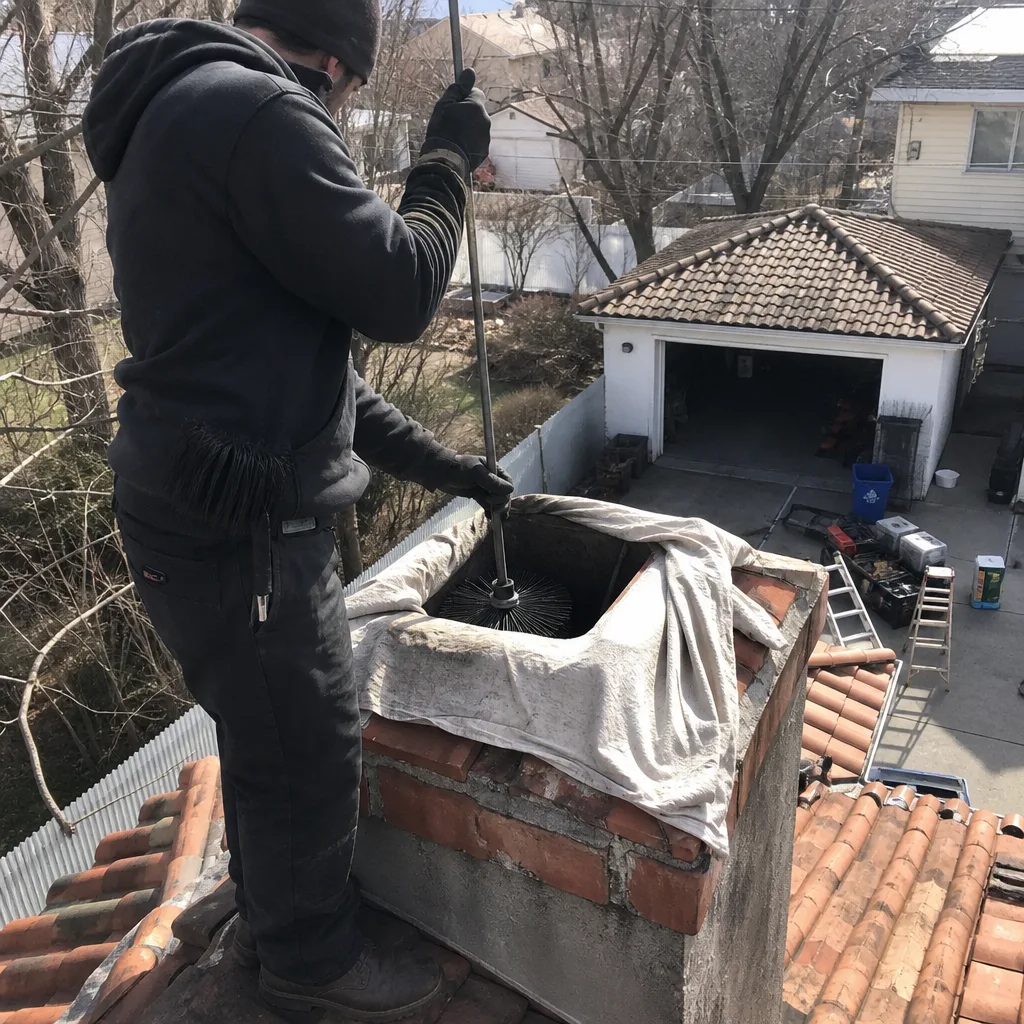
Level 1 sweep and inspection to the NFPA 211 annual standard - flue, crown, cap, and flashing checked and photographed
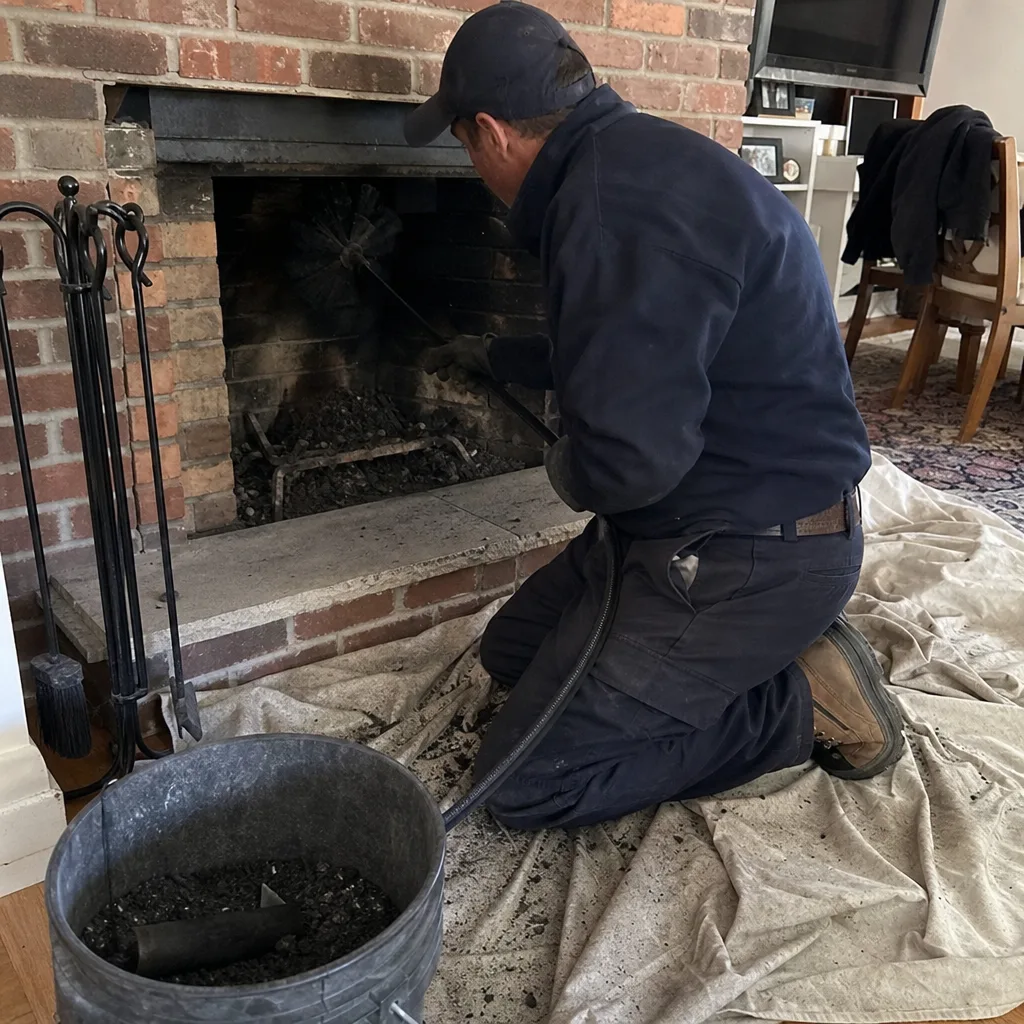
Chimney sweep logs do not sweep chimneys. They loosen some creosote - which then falls where a brush and vacuum still have to collect it.


 Before
 After
After Before
 After
After Before
 After
AfterWhy New York City Homeowners Choose HeatShield Chimney Cleaning
We provide independent HeatShield chimney cleaning in New York City: inspection, creosote removal, and repair of existing HeatShield Cerfractory liners, smoke chamber systems, and joint repairs. If you’re looking for Heatshield repair in Los Angeles or other cities, you’ll need a local specialist; our team serves the five boroughs exclusively. We’re not a HeatShield dealer and we’re not affiliated with the manufacturer. What we are is a New York City chimney company that has worked with HeatShield products since 2009, knows which systems hold up in prewar brownstones and which fail in exterior chimneys after five freeze-thaw seasons, and shows you camera footage of every finding before we quote a dollar figure. Call (980) 580-8641 to schedule.
The difference in our HeatShield work comes down to documentation. Every HeatShield chimney we open gets a Level 2 inspection with a camera down the flue. You see what we see. Then we hand you a written price, written scope, and written warranty before anyone touches your flue. That’s Clause 1 of the Haven Standard. Clause 4 requires a photo record on every job. Since 2009 we’ve inspected and cleaned more than 38,000 chimneys across the five boroughs this way, and our 365-Day Done Right Promise means if the HeatShield work isn’t right, we make it right.
Why Trust Emberly Chimney Cleaners for Your HeatShield Chimney Cleaning?
HeatShield is not a single product. It’s a family of cerfractory compounds, each with different application requirements. The Cerfractory Flue Sealant used for smoke chamber coating behaves differently than the Joint Repair System compound, which behaves differently than the rebar-reinforced smelter mix used for full resurfacing. Our technicians are trained to identify which HeatShield system a chimney already has, even when the homeowner can’t tell us. We can usually tell by looking: the joint repair compound has a specific texture under light, the sealant has a distinct off-white color when cured, and the smelter mix is unmistakable once you’ve tapped it with a probe and heard what it should sound like.
Corrine Halstead runs our crew, and she grew up in Inwood, at the northern tip of Manhattan, where chimneys were everywhere and mostly ignored. She studied building trades at Bronx Community College and spent years working inspection and cleaning jobs across all five boroughs before building Emberly Chimney Cleaners She still gets on roofs regularly and shows customers the camera footage herself, pointing out exactly what the flue walls look like before any conversation about price begins. The camera doesn’t soften what it finds. Neither do we.
We’re an independent service company, which matters when we talk about your HeatShield system. We don’t get paid to push HeatShield onto a chimney that doesn’t need it. If your flue is too degraded for a cerfractory coating to bond properly, we’ll tell you that and quote a stainless reline instead. Our materials are sourced through Haven’s buying network to keep customer prices honest, and every job is backed by a written warranty plus the 365-Day Done Right Promise.
Common HeatShield Chimney Cleaning Problems We Fix in New York City
- Cerfractory delamination in exterior chimneys. HeatShield’s Cerfractory Flue Sealant is a foam product that bonds to the flue wall. In New York City’s exterior chimneys, which stand exposed on parapet walls and party lines with no thermal shelter, condensation cycling is relentless. We see the foam layer pulling away from the brick after five to eight winters, especially in uninsulated stacks in Queens attached row houses and South Bronx tenements. The fix is removing the loose material, re-keying the surface, and re-applying HeatShield’s compound correctly.
- Vertical cracks at the smoke chamber shoulder. The smooth parge coat where the flue transitions into the smoke chamber is a stress point for every HeatShield application. Heat expansion and contraction works that seam constantly. In chimneys that have been through 80 freeze-thaw cycles a year (New York City averages 70 to 80), hairline cracks reopen within a few seasons. We fix this by grinding the crack channel, filling with HeatShield’s joint repair compound, and resealing.
- Spalled parge from DIY creosote removal. If a homeowner has gone after Class III creosote with a wire brush or a chemical solvent not rated for cerfractory, the HeatShield layer spalls. We see this often in Bed-Stuy and Crown Heights brownstones where a previous owner did their own maintenance. The loose parge has to be removed, the surface rekeyed, and the HeatShield system re-applied. A wire brush will destroy a cerfractory surface every time.
- Water trapped behind the HeatShield liner. This is the failure mode generic brand pages don’t mention. A badly applied HeatShield liner can trap moisture against the brick behind the parge coat. In New York City, that moisture freezes and thaws all winter, causing efflorescence blooming on the exterior masonry and progressive freeze-thaw damage to the structural brick. The evidence shows up as white staining on the outside of the stack, but the problem is behind the liner. We find it with infrared and camera inspection.
- Improper curing from rushed installations. HeatShield compounds need time and specific humidity conditions to cure properly. When a company rushes the job, the cerfractory doesn’t reach full adhesion strength. Two or three seasons later the surface sounds hollow when tapped. We re-key and re-apply. A proper HeatShield installation takes time, and a camera scan after curing tells you immediately whether the first company did it right.
BeforeAfterHeatShield Parts & Our Repair-vs-Replace Approach
For HeatShield work, we use genuine HeatShield cerfractory compounds and application tools. The material chemistry and expansion coefficients are matched to the existing liner, and mixing an aftermarket compound into a HeatShield repair is asking for delamination. For non-HeatShield components like caps, dampers, and flashing, we use code-compliant aftermarket parts from manufacturers including DuraFlex and Gelco, chosen because they meet New York City Department of Buildings requirements and survive our climate.
We decide repair versus replace by what the camera shows. If the HeatShield liner is structurally intact with localized cracking or spalling, repair makes sense. If the liner has lost adhesion in more than about 30% of the flue or the underlying brick is soft and crumbling, coating it again is throwing money at a losing cause. In those cases we quote a stainless reline and tell you plainly why. You get the decision with the evidence in front of you. Call (980) 580-8641 for a camera inspection and a written quote.
Our HeatShield Service Process - Step by Step
- 1
Level 2 camera inspection. We run a camera down the flue, record the footage, and show you the condition of the HeatShield liner, the smoke chamber, and the crown. You get the photo record before any recommendation is made. This is Clause 4 of the Haven Standard, and we’ve done it on every job since 2009.
- 2
Written diagnosis and price. We tell you what the camera found, what the repair requires, and what it costs, in writing. Written scope, written price, written warranty. If you want a second opinion, bring us any competitor’s written estimate and we’ll review it free.
- 3
HeatShield repair or resurfacing. We prep the surface by removing loose material and re-keying the existing cerfractory, then apply the correct HeatShield compound for the job: Joint Repair System for cracks and seams, Cerfractory Flue Sealant for smoke chamber work, or the rebar-reinforced system for full resurfacing. Curing time is scheduled properly, never rushed.
- 4
Post-cure camera verification. After the HeatShield compound cures, we run the camera again. You see the finished surface, the sealed seams, and the continuous parge coat. That footage is your record that the job was done right. It’s also what our 365-Day Done Right Promise is built on.
HeatShield Products We Service & Install in New York City
We work with the full HeatShield product line: the Cerfractory Flue Sealant, the Joint Repair System, the Smoke Chamber Repair System, and the Rebar-Reinforced Resurfacing System. We keep HeatShield compounds and application tools stocked locally so repairs in New York City don’t wait on shipping. Our Level 2 inspection work covers everything above and below the HeatShield liner: crown, flashing, damper, smoke chamber, and the flue itself. We also perform creosote removal and smoke chamber repair on HeatShield-lined chimneys as standalone services.
We Also Service These Brands

While this page is about HeatShield, we’re not a single-brand shop. We install and service liners and components from DuraFlex and Gelco, among others. If a stainless reline is the better call for your New York City chimney, we’ll quote it honestly. Being independent means we recommend what the chimney needs, not what one manufacturer sells.
FAQs - HeatShield Chimney Cleaning Service in New York City
No. We are an independent service provider in New York City, not a HeatShield dealer or authorized installer. We work with HeatShield products because we’ve seen them perform well in this city’s housing stock when applied correctly, but our recommendations are based on what the camera shows, not on a manufacturer relationship. Every quote is based on inspection evidence you can see.
For HeatShield repairs we use genuine HeatShield cerfractory compounds and application tools. The material chemistry is matched to the existing liner, and mixing aftermarket compounds into a HeatShield repair invites delamination. For non-HeatShield components like caps, dampers, and flashing, we use code-compliant parts from manufacturers including DuraFlex and Gelco. You’ll see exactly what we’re using in the written scope before work starts.
The safe way to know is a Level 2 camera inspection. The camera shows whether the HeatShield surface is intact, whether there are cracks at the smoke chamber shoulder, and whether creosote has built up to a dangerous level. If you’ve been burning wood for five or more years since the liner was applied, you’re due for this regardless. We do this inspection on every HeatShield chimney we service in New York City, and you get the footage. (If you need Heatshield repair in San Jose, you’ll want a similarly thorough local provider.) Call (980) 580-8641 to schedule.
Yes, and it’s one of the most common jobs we do in New York City. We remove the loose or improperly cured material, re-key the surface, and re-apply the correct HeatShield compound. Then we run the camera again to verify the repair. If the original installation is too far gone, we’ll tell you that too, and quote a full reline instead. Our 365-Day Done Right Promise applies to every repair we make, including fixes to another company’s mistakes.
Not all of them. Many chemical creosote removers are not rated for use on cerfractory surfaces and can damage the liner. If you have a HeatShield-lined chimney in New York City, don’t use chemical products or wire brushes on the flue without checking first. Bring the product label to us or call (980) 580-8641 before you use anything. Wire brushes will spall cerfractory every time. We’ll tell you what’s safe and what isn’t.
HeatShield liners don’t eliminate creosote buildup. The smooth cerfractory surface may slow accumulation slightly, but if you burn wood in New York City, you should have a Level 2 inspection and cleaning annually, just like any other chimney. Don’t skip maintenance because you think the liner did the job for you. The liner protects the flue; it doesn’t remove creosote. Call (980) 580-8641 for a written quote. Estimates are free.
HeatShield can be applied to just the smoke chamber if that’s where the problem is. The Smoke Chamber Repair System is designed for exactly that. The camera will tell us whether the flue above is in good enough condition to leave alone. We don’t sell full-flue work when a targeted repair is what the chimney needs. In New York City, where a single stack contains multiple flues, that distinction matters. We’ll show you the footage and give you a written scope for exactly what needs doing.
HeatShield chimney cleaning and inspection in New York City typically runs $250 to $450 for a standard single-flue Level 2 inspection with creosote removal, depending on access and flue condition. HeatShield smoke chamber repair typically starts around $900 to $1,500. Full HeatShield resurfacing runs higher, and we won’t quote it without a camera inspection first. Every quote is written, with scope and warranty, before work begins. Call (980) 580-8641 for an exact number. Estimates are free.
Book Your HeatShield Service in New York City, NY

If you own a chimney with a HeatShield liner, or you think you might, we’ll put a camera down it and show you what’s there. Call (980) 580-8641 for a free estimate and a written quote before any work begins. Serving all five boroughs of New York City.
Written by Corrine Halstead, Owner at Emberly Chimney Cleaners, serving New York City since 2009.