
Level 1 sweep and inspection to the NFPA 211 annual standard - flue, crown, cap, and flashing checked and photographed
Chimney sweep logs do not sweep chimneys. They loosen some creosote - which then falls where a brush and vacuum still have to collect it.


 Before
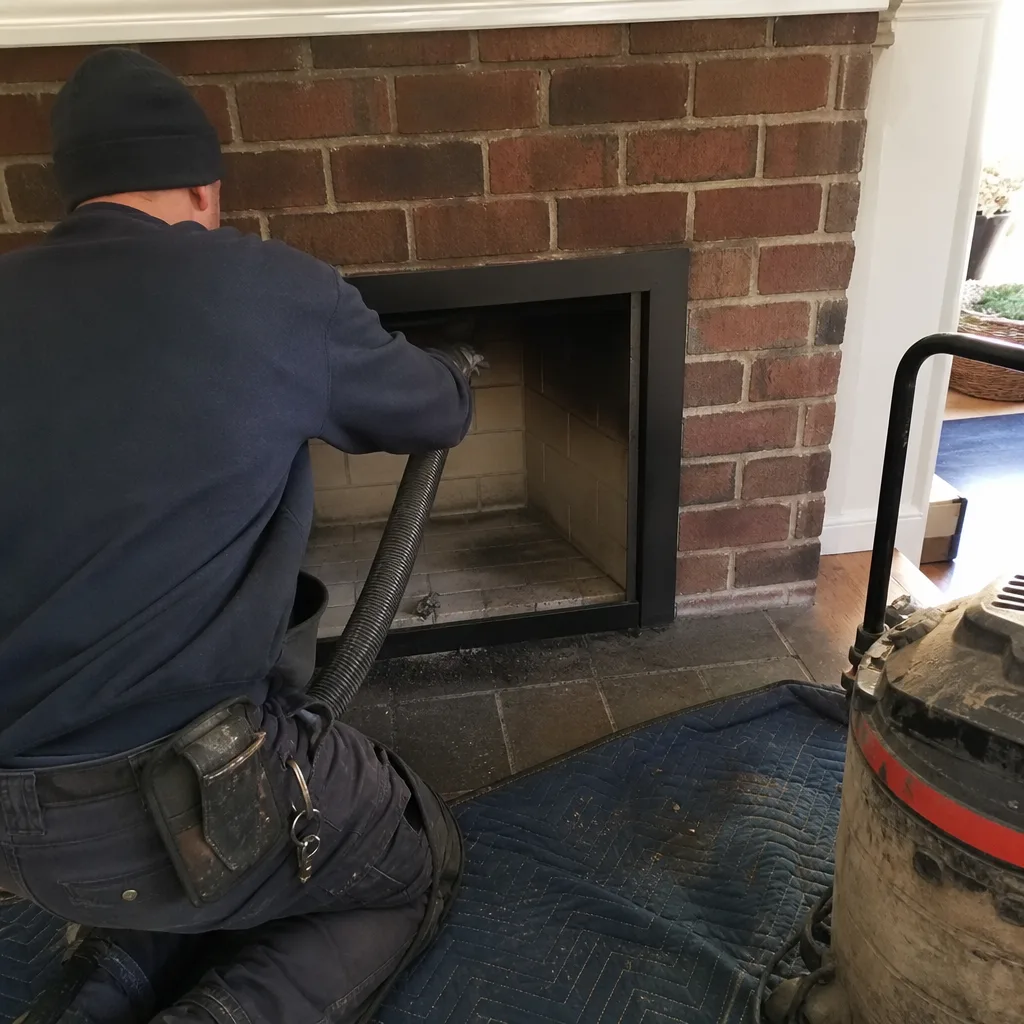 After
After Before
 After
After Before
 After
AfterHeatShield Flue Liner Replacement: The New York City Owner’s Guide
HeatShield flue liner replacement in New York City typically runs $1,850 to $4,200 installed, depending on flue height, liner diameter, and whether we’re replacing a segment or running a full reline. We stock HeatShield-compatible Cerfractory material on our trucks and can usually complete the swap in a single visit, often the same week you call. Most owners discover the problem during a Level 2 camera inspection, when the scan shows a HeatShield patch that’s cracked, separated from the clay liner behind it, or missing in sections. Others notice fine gray dust falling into the firebox after burning season starts.
If you have a HeatShield coating that’s failing, don’t assume the whole chimney needs to be condemned. A lot of what we see in New York City brownstones and older attached homes is repairable, and the right fix depends on what the camera shows us underneath.
Which HeatShield Models This Applies To
HeatShield isn’t a liner you buy off a shelf. It’s a Cerfractory sealant system applied in layers inside your existing flue, usually over an old clay tile liner. That means “replacement” work almost always means one of two things: repairing failed sections of a prior HeatShield application, or removing the old coating entirely and installing a new stainless steel liner, often a DuraFlex or Gelco product, where HeatShield no longer makes sense.
The compatibility question that matters most is what’s behind the HeatShield. We see HeatShield applied over clay tile in pre-war buildings and over unlined brick in some older New York City chimneys. The underlying material determines whether another HeatShield patch will hold or whether a full stainless reline is the responsible move. We match the repair to what the camera shows, not to a catalog number. If you have the original installation paperwork, bring it out. We can usually cross-reference the installer’s notes, but the flue dimensions we measure on site are what drive the quote.
Emberly Chimney Cleaners is an independent service provider and is not affiliated with HeatShield. We’ve worked with their materials for years and stock what we need to repair or replace their system, but we don’t push a brand. We push what holds up in a New York City flue through January.
Signs Your HeatShield Flue Liner Replacement Is Failing
- Fine gray or tan dust in the firebox. This is Cerfractory material breaking down. HeatShield is a ceramic-based coating, and when it starts to separate from the clay behind it, small bits fall into the firebox. If you see dust that wasn’t there last season, get a camera in the flue.
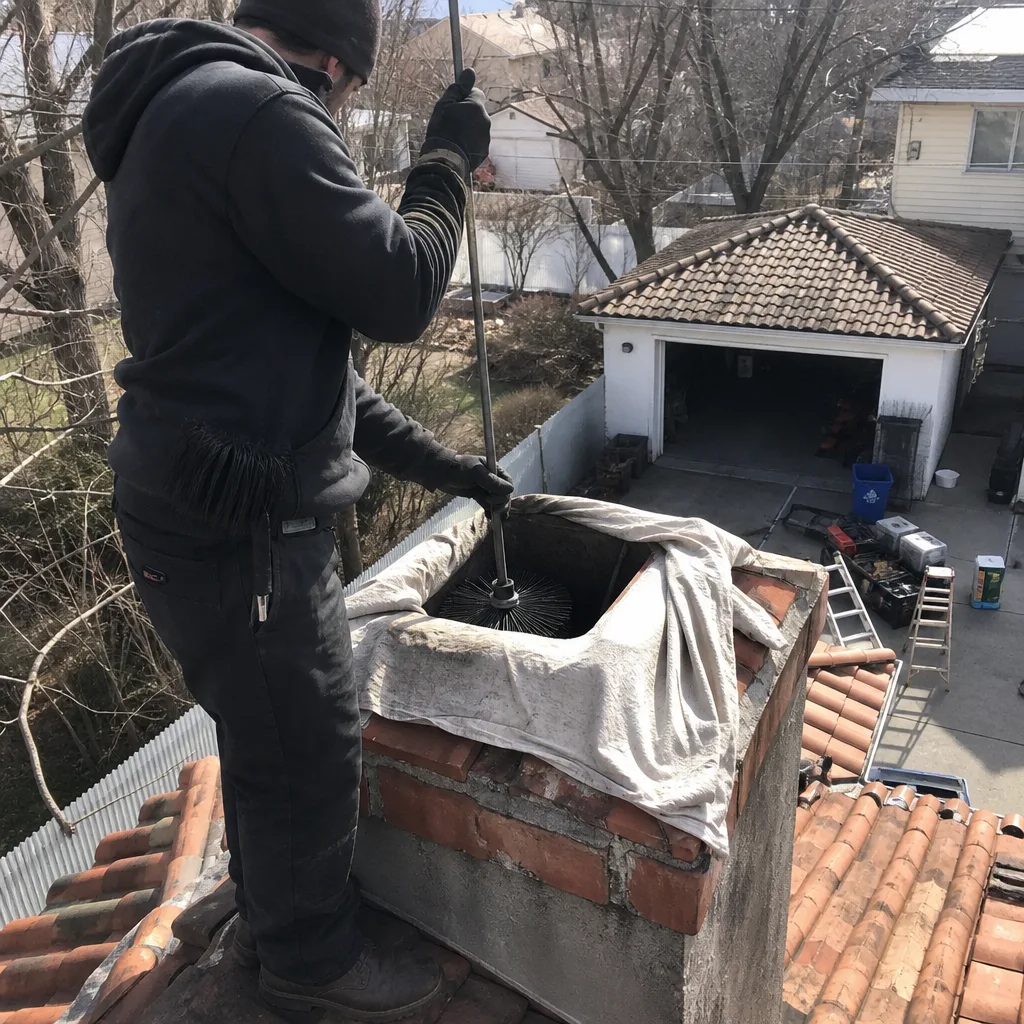
- Flaking or peeling visible at the flue opening. From the rooftop, you might see sections of the coating lifting at the top of the chimney. That edge exposure lets water in, and in New York City’s freeze-thaw cycle, trapped moisture expands and peels more of the coating off from behind.
- A smell that shifts from “wood smoke” to something sharper. When HeatShield fails and gaps open behind it, smoke doesn’t draft the way it should. The smell changes because combustion gases are lingering in voids instead of moving up and out.
- Water stains on the ceiling near the chimney chase. A failing liner lets condensation and moisture build inside the flue. That moisture soaks through the masonry and shows up on interior walls. In New York City rowhouses, this is a classic late-stage sign.
- Your last sweep report noted Class III creosote or liner damage. If a previous company flagged glaze creosote or “suspected liner separation,” don’t wait through another burning season. HeatShield failure accelerates once creosote starts collecting in the gaps.
BeforeAfterReplacement Cost & What’s Included
HeatShield repair in New York City starts around $1,850 for a small section and runs up to $4,200 for a full removal and stainless steel reline. What drives the spread: how many stories the flue runs, whether we need a lift or can work from a ladder, and how much of the old HeatShield has to be chipped out before we can rebuild.
Every quote we write is a written price before work starts. That includes the part, the labor, the camera scan, and the photo record of what we did. You’ll see the scope in writing, with the Haven Standard Clause 1 covered: written price, written scope, written warranty before anyone picks up a tool. We don’t give verbal ranges and then surprise you with a change order. The warranty on a HeatShield repair is typically 20 years from the manufacturer, and our labor carries the 365-Day Done Right Promise. If it’s not done right, we make it right.
DIY or Call Us?
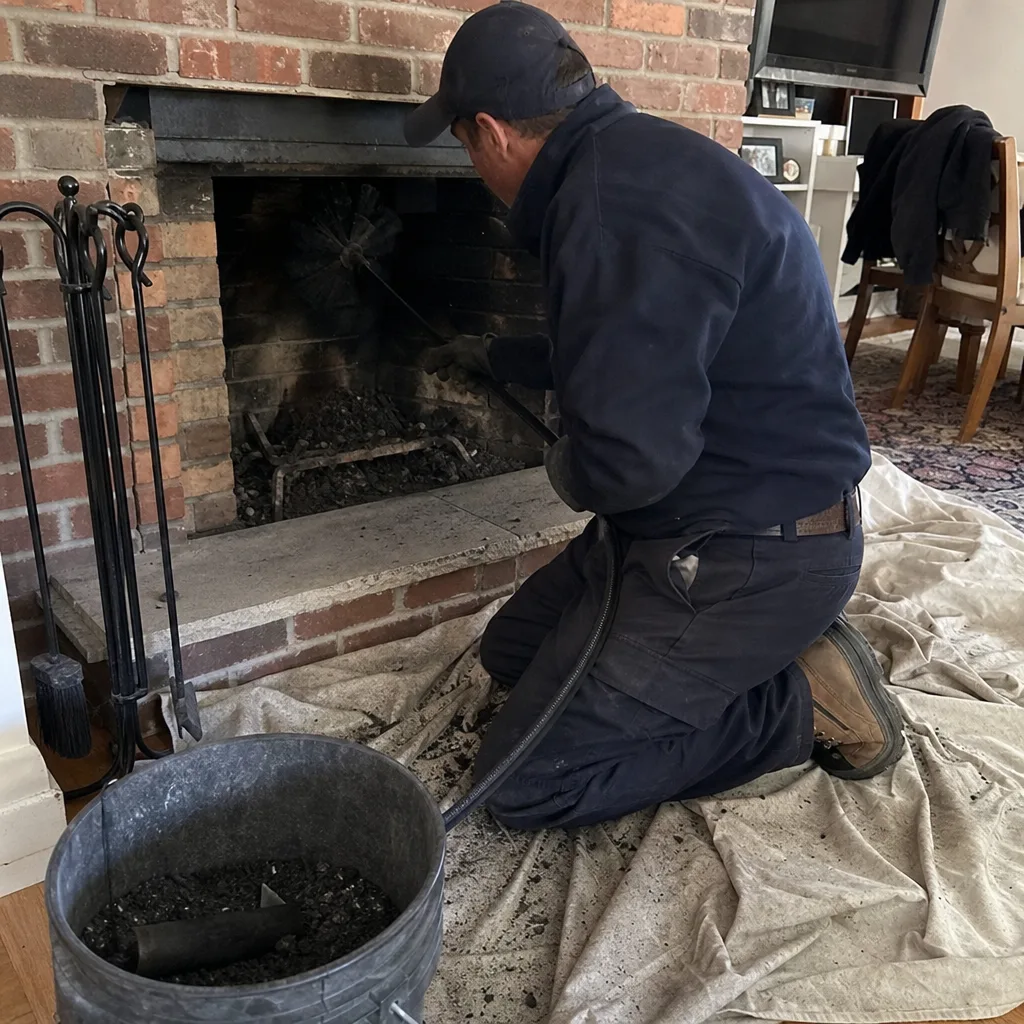
You can safely inspect the firebox and the visible flue opening from inside your home. Look for dust, flaking, or any gap where the coating meets the clay tile. You should not climb onto a New York City roof to inspect the flue from above, and you should not attempt to patch HeatShield yourself. The material requires surface prep, application equipment, and curing conditions that a weekend patch job won’t satisfy. A failed DIY patch gives you the worst of both: you think the chimney is protected and it isn’t.
This is also a safety issue, not a cosmetic one. A deteriorated liner lets heat and combustion gases reach combustible framing. That’s how chimney fires start and how carbon monoxide ends up in upstairs bedrooms. If your HeatShield is failing, call us at (980) 580-8641 and we’ll get a camera in there before burning season gets busy.
FAQs
A properly applied HeatShield coating over sound clay tile can last 15 to 20 years in New York City, but our freeze-thaw winters and the thermal stress of frequent burning shorten that lifespan when the coating was applied over already-deteriorated tile. If the underlying clay was spalling before the HeatShield went on, expect failure sooner. The camera tells us which situation you have. Call (980) 580-8641 and we’ll give you a straight answer.
Sectional repair is possible when the failure is localized and the surrounding coating is still bonded. Full replacement is necessary when separation covers large areas, when water has gotten behind the coating, or when the clay tile underneath is failing. We won’t recommend full replacement unless the camera footage shows it plainly. Bring us a competitor’s written quote and we’ll give you a free second opinion on it.
Most HeatShield repairs in New York City are completed in one visit, usually four to seven hours depending on flue access and how much old material has to come out. Full stainless relines can run one to two days. We’ll tell you the schedule in the written scope before you commit to anything.
We stock HeatShield Cerfractory material on our trucks, along with the tools to remove failed sections and prepare the flue for repair. If full replacement is the call, we also carry stainless liners from DuraFlex and Gelco. You’re not waiting on a parts shipment unless your flue has unusual dimensions.
Written by Corrine Halstead, Owner, Emberly Chimney Cleaners at Emberly Chimney Cleaners, serving New York City and nearby areas.