
Level 1 sweep and inspection to the NFPA 211 annual standard - flue, crown, cap, and flashing checked and photographed
Chimney sweep logs do not sweep chimneys. They loosen some creosote - which then falls where a brush and vacuum still have to collect it.


 Before
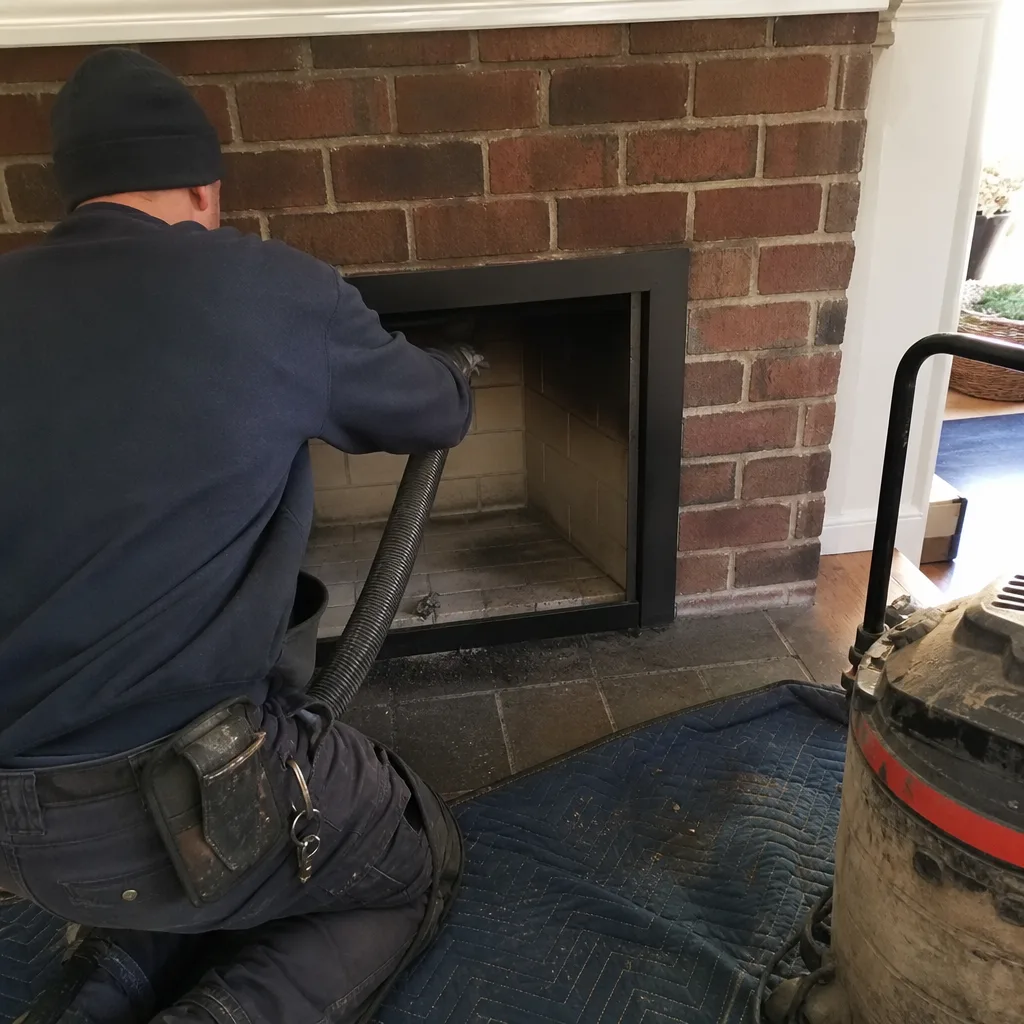 After
After Before
 After
After Before
 After
AfterHeatShield Chimney Sweep in New York City: What to Know First
HeatShield chimney sweep in New York City typically runs $229-$389 for a standard sweep with a Level 2 camera inspection, and we complete most jobs in a single visit. HeatShield is a liner repair product, not a liner replacement, so a proper sweep means working around the existing coating without tearing it. If you own a home with a HeatShield-treated flue and you’re searching for a sweep company that won’t ruin that coating with a wire brush, call (980) 580-8641. We inspect every HeatShield surface on camera before we touch it.
This page is for New York City homeowners who have HeatShield on their chimney, whether it was applied last year or ten years ago, and need a cleaning that respects the product’s warranty. We’re an independent HeatShield service provider, not an authorized dealer. We work on HeatShield jobs across all five boroughs, from brownstones in Park Slope to prewar co-ops on the Upper West Side.
How HeatShield Products Fail - and How We Fix Them
- Flaking at the smoke chamber transition. HeatShield’s Cerfractory material is applied thin, and the seam where the smoke chamber meets the flue liner is its known weak point in New York City homes. The constant thermal cycling of a fireplace that gets lit on winter nights and sits cold for months causes the coating to lift at that transition. We see it most on HeatShield’s standard flue treatment in attached brownstones. Our fix is a low-pressure ceramic cleaning, never a wire brush, and a photo-documented record of the flaking so you can decide on spot repair versus full liner replacement.
- Glazed creosote bonding to the HeatShield surface. If the previous owner burned unseasoned wood or the chimney was never swept after the HeatShield application, Class III creosote (the tar-like glaze, not the flaky stuff) will bond to the ceramic coating. You can’t remove it with standard sweeping. We use a chemical treatment that softens the glaze without eating into the HeatShield layer, then follow with a soft-bristle rotary to lift it. This is a New York City apartment-building reality more than a suburban one: short flues, shared stacks, and decades of whatever wood was available.
- Moisture intrusion at the crown cracking the coating from above. HeatShield can’t do its job if water gets behind it. In New York City, crown spalling from freeze-thaw cycles is so common that we check the crown before we even think about the liner. When water penetrates a cracked crown and runs down the flue walls, the HeatShield material delaminates. We document the crown condition on every camera scan and quote the crown repair separately, in writing, before any flue work starts.
- Improper application by the original installer. We’ve peeled back enough HeatShield failures to know that maybe one in five New York City installs we see has the coating too thin at the bottom, thicker at the top, or missing the required primer. The manufacturer’s warranty covers material defects, not installer shortcuts. Our camera inspection shows you the actual coating thickness with a measurement on the footage. If the coating was botched, you have documentation for a warranty claim or a real decision about the next step.
- HeatShield over a clay liner that was already spalling. HeatShield is designed to repair and seal an existing clay liner, but it’s not a structural fix. If the clay tiles beneath were already shifting or spalling before the coating went on, the HeatShield layer will mirror that movement and crack within a few seasons. This is the one we see in older Manhattan and Brooklyn homes where HeatShield was sold as a cheaper alternative to a stainless liner. We remove what’s loose, photograph the underlying damage, and tell you plainly whether the flue needs a real liner replacement, which we do with DuraFlex or Gelco products.
Our HeatShield Chimney Sweep Process
- 1
You call, a person picks up. Our live phone line runs 24/7. You describe the fireplace, the age of the HeatShield application if you know it, and anything odd you’ve noticed. We schedule a window and text you when the tech is on the way.
- 2
Named technician arrives, background-checked and uniformed. Your tech introduces themselves with their license in hand. They walk the fireplace, the roof access, and confirm with you what the job will involve before opening any tool bag.
- 3
Camera down the flue. Before any cleaning. Clause 4 of the Haven Standard requires a photo record on every job, and we’ve done it that way since 2009. The camera shows us the HeatShield surface condition, the creosote grade, and any moisture stains or delamination. You watch the footage with us.
- 4
We show you what we found and put a price on it, in writing. If the HeatShield is intact and you just need the sweep, the price covers exactly that. If the camera shows flaking, glazed creosote, or crown damage, you get a written scope for the additional work. No surprises, no pressure. The cleaning doesn’t start until you approve the written number.
- 5
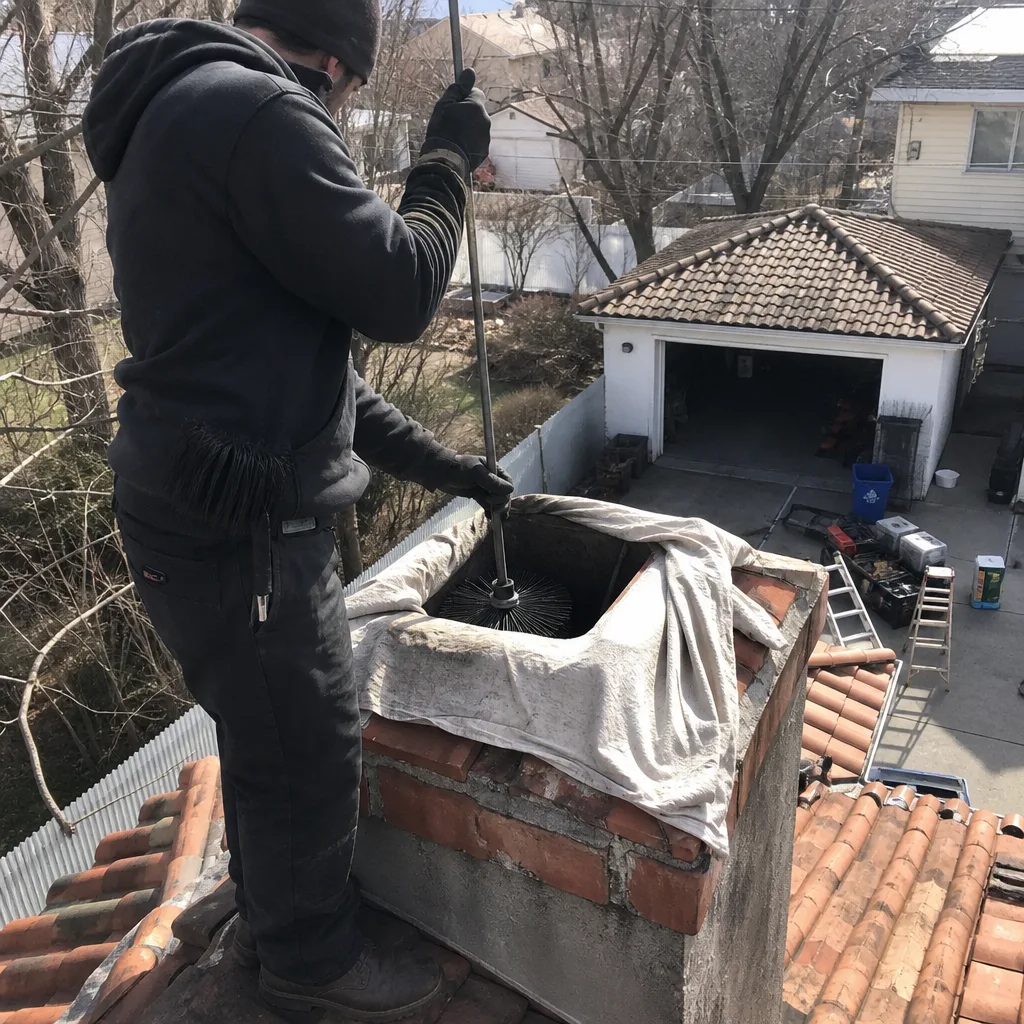
The sweep, tuned to HeatShield. We use low-pressure, soft-contact methods that protect the ceramic coating. For glazed creosote, we apply the chemical pretreatment and wait the required dwell time. For flaky creosote, a soft rotary brush. No wire brush ever touches a HeatShield surface.
- 6
Final camera pass and the file. After the cleaning, we run the camera again. You get the before-and-after footage, a written record of what was done, and the warranty on our sweep. If anything isn’t right, the 365-Day Done Right Promise means we come back and make it right.
BeforeAfterWhat HeatShield Chimney Sweep Costs in New York City
For a HeatShield-treated flue in New York City, you’re looking at:
- Standard sweep with Level 2 camera inspection: $229-$289 depending on roof access and flue height. This is the annual sweep for a well-maintained HeatShield liner with ordinary flaky creosote.
- Glazed creosote removal (Class III) with chemical treatment: $389-$549. The chemical is the cost driver, plus the extra dwell time on the roof or at the fireplace.
- HeatShield spot repair after cleaning: $350-$700 for a small flaking area, depending on how far down the flue the repair needs to go and whether we can access it from above or need to work through the firebox.
- Level 2 inspection only, no sweep: $189 flat. We recommend it if you just bought the home and see HeatShield on the disclosure but have no record of when it was done.
What moves the price in New York City specifically: roof access on a five-story walkup, a shared stack that requires coordination with the building, or a flue that hasn’t been touched since the HeatShield was installed a decade ago. Every quote is written, scoped, and in your hand before work starts. Call (980) 580-8641 and we’ll put the number on the table.
Why New York City Homeowners Call Emberly Chimney Cleaners for HeatShield Work
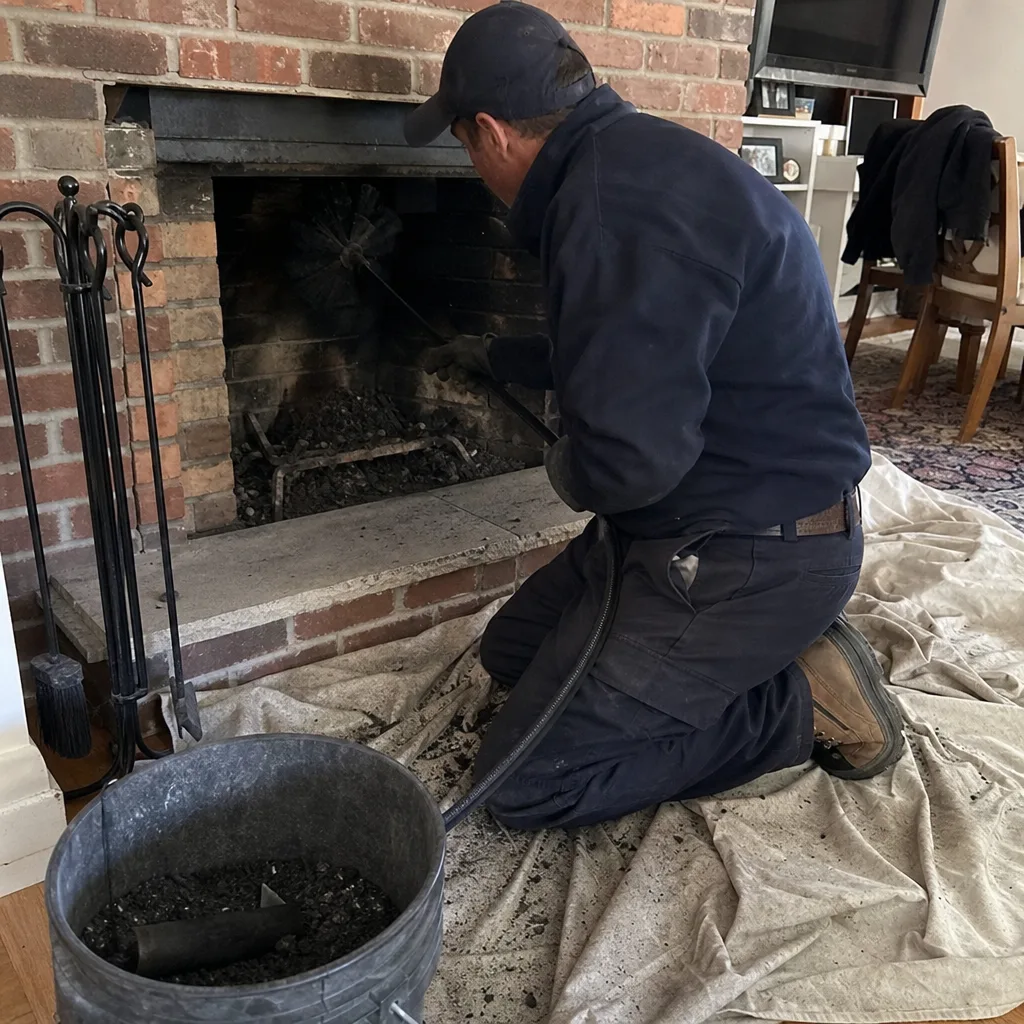
We earned our name by making the Level 2 inspection the floor, not the upsell. Corrine Halstead, who runs Emberly Chimney Cleaners, started showing customers their own camera footage back when most sweeps were still working with flashlights and hand mirrors. The camera doesn’t soften what it finds. Neither do we.
Every HeatShield job gets the same treatment: written price before work starts (Haven Standard Clause 1), a documented photo record when it’s done (Clause 4), and our 365-Day Done Right Promise on the work itself. If the HeatShield coating is failing and the flue needs a liner, we’ll tell you that plainly and quote a DuraFlex or Gelco replacement at the same visit. If the HeatShield is holding up fine, we’ll say that too, and you’ll have the footage to prove it. We answer our phones around the clock, and our techs are background-checked, uniformed, and assigned by name. You’ll know who’s coming and what they’re there to do before they knock.
FAQs
No. A routine sweep performed with non-abrasive methods will not void a HeatShield warranty. What voids it is neglect: skipping the annual sweep so creosote builds up and bonds to the coating, then someone taking a wire brush to it. We use soft-contact cleaning methods specifically to protect the HeatShield surface, and we document the pre-clean condition on camera so you have a record that the coating was intact before we started. Call (980) 580-8641 and we’ll walk you through what your warranty actually requires.
You’ll see one of three things: small ceramic flakes dropping into the firebox after a burn, a “gritty” feeling on the flue walls when you shine a light up, or smoke backing into the room on windy days. The flaking is the telltale sign. It means the coating is delaminating from the flue wall underneath. We verify it with a camera scan, show you the footage, and tell you whether it’s a spot repair or a full liner replacement situation.
Small delamination spots, under about a square foot of surface area, can usually be spot-repaired with the same Cerfractory material. Large areas of flaking, or flaking over a clay liner that’s already spalling underneath, means the HeatShield has failed as a system and you’re better off with a stainless liner. We quote both options in writing and never recommend a repair we wouldn’t put our own name on. You choose with the numbers and the footage in front of you.
Once a year if you burn regularly during the heating season, which in New York City is roughly late October through April. If you burn only occasionally, every two years is fine. HeatShield is a smooth ceramic surface, so creosote doesn’t cling as aggressively as it does to rough clay tile, but the coating is not self-cleaning. Annual inspection is cheap insurance against a delamination that goes unnoticed for three or four seasons.
Yes, and we recommend it. Home inspectors in New York City don’t run a camera down the flue, and most don’t know the difference between a HeatShield coating and a stainless liner just from looking up from the firebox. A $189 Level 2 inspection tells you the actual condition of the coating, whether the crown is sending water down the flue walls, and what you’re inheriting. We’ll provide the photo record for your purchase file.
Written by Corrine Halstead, Owner, Emberly Chimney Cleaners at Emberly Chimney Cleaners, serving New York City and nearby areas.