
Level 1 sweep and inspection to the NFPA 211 annual standard - flue, crown, cap, and flashing checked and photographed
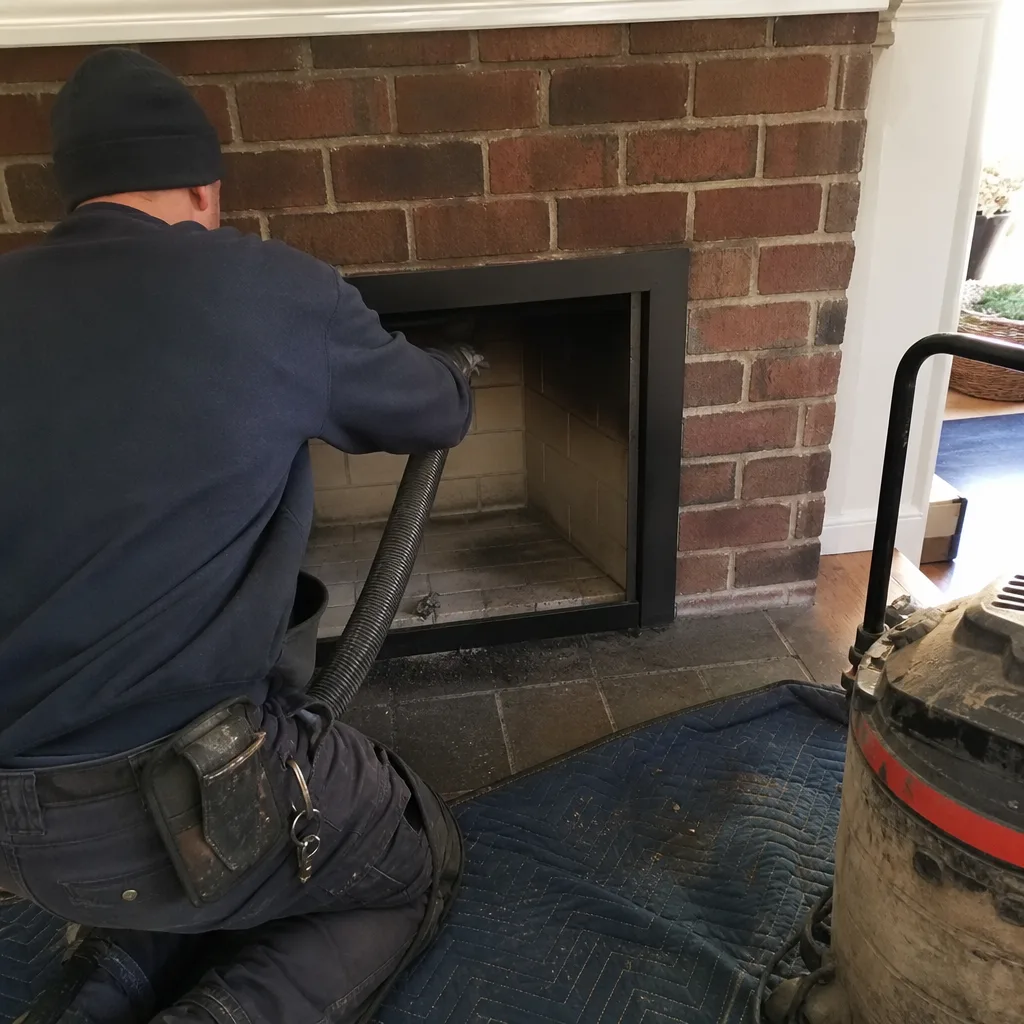
Chimney sweep logs do not sweep chimneys. They loosen some creosote - which then falls where a brush and vacuum still have to collect it.


 Before
 After
After Before
 After
After Before
 After
AfterHeatShield Chimney Repair in New York City: What to Know First
HeatShield chimney repair in New York City typically runs $1,800 to $4,200 for a full flue resurfacing, with spot repairs starting around $650. We complete most HeatShield jobs within five to seven business days of the initial camera inspection, and every quote is written and itemized before any work begins. If you own a HeatShield-lined chimney and you’re seeing moisture, odors, or flaking material, call (980) 580-8641 and we’ll put a camera down the flue to show you exactly what’s happening.
This page is for New York City homeowners whose chimney has a HeatShield liner or resurfacing system and who need straight answers about repair, cost, and what the camera actually shows. Corrine Halstead and our crew work on HeatShield systems across all five boroughs, and we don’t guess at a liner’s condition. We look at the footage, name the failure, and put the number in writing.
How HeatShield Products Fail - and How We Fix Them
HeatShield is a genuine resurfacing system, not a liner in the traditional sense. It’s applied as a coating to the existing flue wall, and its failures tend to follow predictable patterns in New York City’s climate. Here’s what we actually see on HeatShield jobs:
- Moisture-driven spalling in the HeatShield Cerfractory Flue Sealant. HeatShield’s base coat is porous enough to let the flue breathe, but when a crown is cracked or flashing leaks, water saturates the coating and freeze-thaw cycles across a New York City winter break it apart in sheets. We trace the water entry point first, repair the crown or flashing, then reapply the HeatShield system once the substrate is dry.
- Delamination between HeatShield’s Cerfractory and the original clay liner. In older New York City rowhouses and prewar buildings, the original clay flue tiles expand and contract at a different rate than the HeatShield coating. After enough heating seasons, the bond fails and you get hollow-sounding patches. We knock-test the flue, map the delaminated areas on the camera footage, and remove and reapply those sections rather than blindly recoating.
- Improper original application leaving a too-thin coat. HeatShield is only as good as the prep work. We regularly open up flues in New York City where the previous installer didn’t clean the clay substrate properly, and the Cerfractory is flaking off in the first five years. This is a prep failure, not a product failure. We strip it, grind the substrate clean, and reapply to manufacturer thickness spec.
- Joint cracks telegraphing through the HeatShield surface. Clay flue tiles shift over decades, especially in attached New York City housing where neighboring demolition or settlement moves the whole stack. When a tile joint opens behind the HeatShield coating, the crack eventually shows through the surface. We camera the flue after a repair to confirm the crack isn’t structural, then seal and recoat if the stack is stable.
- Smoke chamber deterioration left unaddressed. HeatShield is a flue system, but the smoke chamber below it is the most common failure point we see in New York City fireplaces. If the original installer only coated the visible chimney and skipped the smoke chamber, creosote and moisture sit in the chamber and the system fails from the bottom up. Our HeatShield jobs always include the smoke chamber, because a flue coating over a crumbling smoke chamber is money spent on half the problem.
Our HeatShield Chimney Repair Process
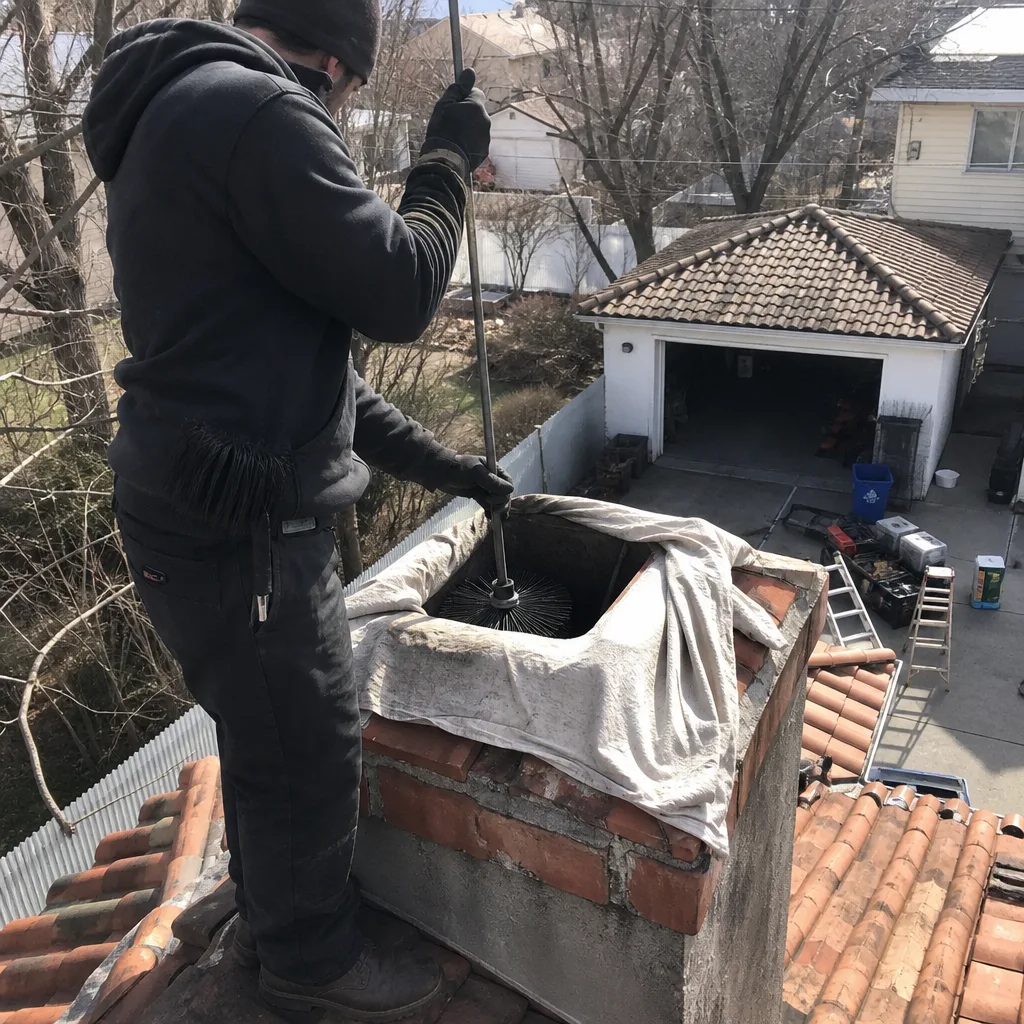
Every HeatShield job starts the same way: with a camera, not a sales pitch. Here’s how it goes from the first phone call to the final photo record:
- 1
Call and scheduling. You reach a live person at (980) 580-8641, we book a window that works, and you get a text when the tech is on the way with their name and license number.
- 2
NFPA 211 Level 2 camera inspection. We run a camera down the full flue length and through the smoke chamber. You watch the footage with us, or we walk you through it frame by frame afterward. This is a HeatShield system, so we’re looking for delamination, moisture ingress, coating thickness issues, and joint movement.
- 3
Written scope and price. Before any work starts, you get a written itemization: what we found, what we’ll fix, what it costs, and what the warranty covers. Haven Standard Clause 1: Have it in writing. If we find a competitor’s written quote, we’ll give you a free second opinion on it.
- 4
The repair. We strip failed HeatShield material, grind and prep the substrate, address the water entry point (crown, flashing, or both), and reapply the HeatShield system to manufacturer spec. For areas where HeatShield isn’t the right call anymore, we’ll bring in a DuraFlex liner or Gelco component and tell you why before we do it.
- 5
Post-repair camera verification. We run the camera again and show you the finished surface. You get the before and after photos, the footage, and the written warranty. Clause 4 of the Haven Standard requires a photo record on every job. We’ve been doing that since 2009, not because anyone asked.
- 6
365-Day Done Right Promise. If the repair doesn’t hold, we make it right. No fine print, no prorated nonsense.
BeforeAfterWhat HeatShield Chimney Repair Costs in New York City
HeatShield repair pricing in New York City depends on how much of the existing coating has failed and what’s causing it. Here are the ranges we’ve quoted on real jobs across the boroughs:
- Spot repair (single delaminated or cracked section): $650 to $1,100
- Full flue resurfacing after stripping (standard single-flue fireplace): $1,800 to $3,400
- Flue resurfacing plus smoke chamber work: $2,600 to $4,200
- Flue resurfacing plus crown rebuild or flashing repair: $2,900 to $4,800
- Full replacement with DuraFlex liner when HeatShield isn’t viable: $2,400 to $3,800
What moves the price: flue height (a four-story New York City brownstone is a different job than a two-story Queens detached), how much stripping and prep is needed, and whether the smoke chamber is involved. Every quote is written before work starts. No exceptions. Call (980) 580-8641 for a free estimate with a camera inspection included.
Why New York City Homeowners Call Emberly Chimney Cleaners for HeatShield Work
Most chimney companies in New York City will look at a HeatShield system and either tell you it’s fine without looking, or tell you it’s shot without evidence. We’re not either of those companies. We’ve completed over 38,000 chimney inspections since 2009, every single one with a written price before work started and a documented photo record when it was done. That practice became Clause 4 of the Haven Standard years before insurers or regulators asked for it. The camera doesn’t soften what it finds. Neither do I.
We work on HeatShield systems as an independent HeatShield service provider. That means we’re not tied to a manufacturer quota or a one-brand answer. If your HeatShield coating can be saved, we save it. If a DuraFlex liner is the smarter call, we tell you that and show you why on camera. We also carry Gelco components for smoke chamber repairs. One repair plan, based on what the flue actually shows, not what our supplier wants us to push this month.
Every tech who walks into your home is background-checked, uniformed, and assigned by name before arrival. You get a text when they’re on the way. And when the job’s done, you get photos, footage, readings, and a written warranty. Not a receipt with a phone number and a vague promise.
HeatShield Chimney Repair FAQs
If your HeatShield system is still under the manufacturer’s warranty, a repair by an independent contractor using HeatShield materials generally won’t void it, but you should confirm the warranty’s transfer terms and contractor requirements before scheduling. We’re not a HeatShield-authorized dealer, so we’ll never claim to handle a manufacturer warranty claim on your behalf. What we can do is document every step of the repair with camera footage and written scope so you have a clean record to pursue any claim. Call (980) 580-8641 and we’ll help you sort through what your warranty actually covers before you spend a dollar on repair.
HeatShield can be spot-repaired when the failure is localized: a delaminated patch, a crack telegraphing through from a single tile joint, or moisture damage confined to one section. The camera tells us which situation you have. If the delamination maps across more than roughly a third of the flue, we’ll recommend a full strip and recoat, because patching over a failing substrate just moves the problem six months down the line. We’ll show you the footage and let you make the call with the price in front of you.
A properly prepped and applied HeatShield repair should last fifteen to twenty years in New York City, provided the water entry point is addressed at the same time. The freeze-thaw cycles here are harder on flue coatings than almost any other climate in the country. If the crown is cracked or the flashing leaks, moisture gets behind the HeatShield coating and starts prying it off within one or two winters. That’s why we don’t quote a HeatShield repair without checking the crown, flashing, and chimney cap. Fixing the flue while ignoring the roof line is a waste of your money.
It depends entirely on what the camera shows. A small delaminated section with no moisture path and no structural crack in the flue can usually wait until spring. A flue wall that’s actively spalling into the chimney, or a heat transfer problem in an older New York City home’s narrow flue, should not wait. The risk shift is quick: what starts as a coating issue can become a flue liner safety issue if moisture keeps working on the underlying clay. We’ll tell you plainly if it can wait. The camera footage is yours to keep either way. Call (980) 580-8641 and we’ll give you the straight answer, free.
You get a written scope of work, a written warranty, before-and-after camera footage, photos of the repair, and a note on what we found in the smoke chamber and crown while we were in there. Clause 4 of the Haven Standard requires a photo record on every job, which means you can verify what we did without taking our word for it. That record has been standard practice for us since 2009, and it’s the only reason a homeowner in New York City should ever sign off on a chimney repair without seeing the inside of their own flue.
Yes, though HeatShield is the resurfacing system we see most often in older New York City homes. Our crew also works on DuraFlex and Gelco products, and we keep aftermarket and OEM parts options for each so you’re not locked into a single price. The decision comes from the camera, not the catalog. We’ll show you what’s in the flue and then talk parts.
Written by Corrine Halstead, Owner, Emberly Chimney Cleaners at Emberly Chimney Cleaners, serving New York City and nearby areas.