
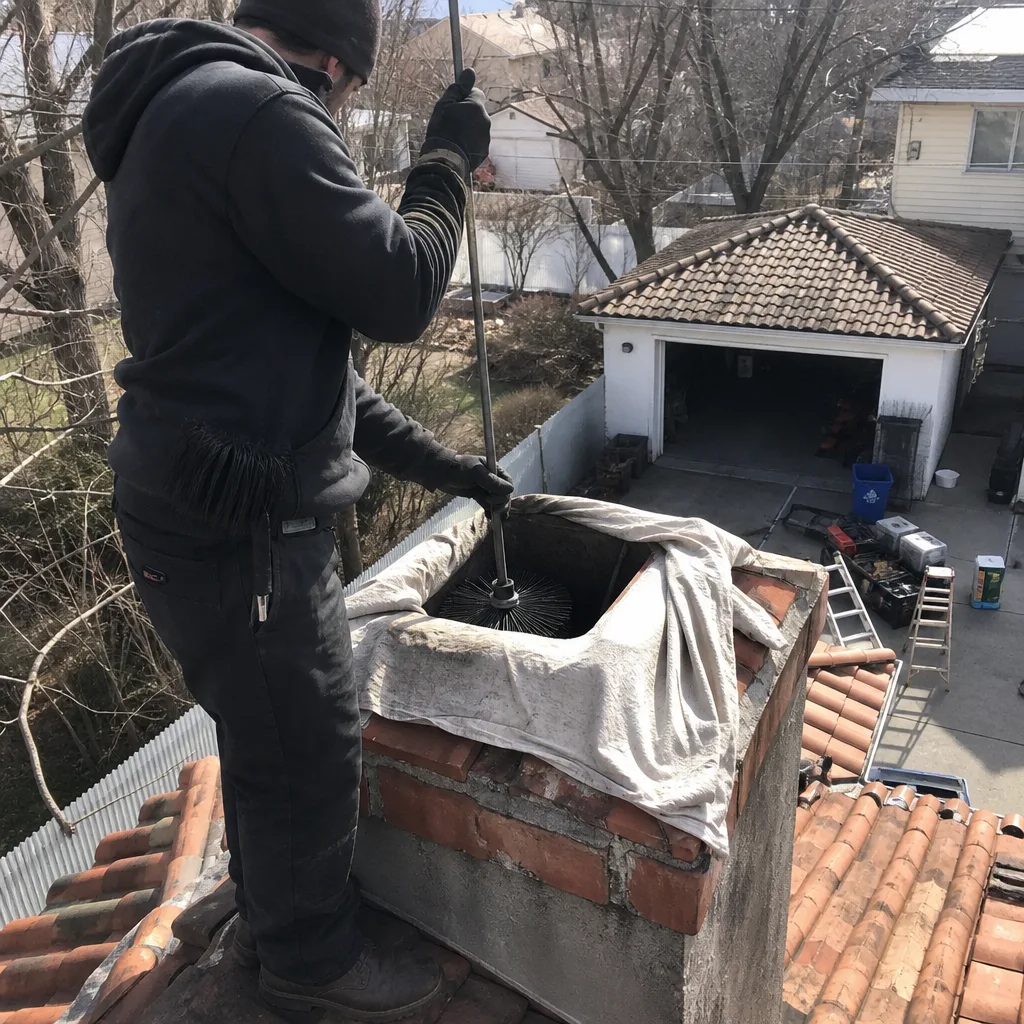
Level 1 sweep and inspection to the NFPA 211 annual standard - flue, crown, cap, and flashing checked and photographed
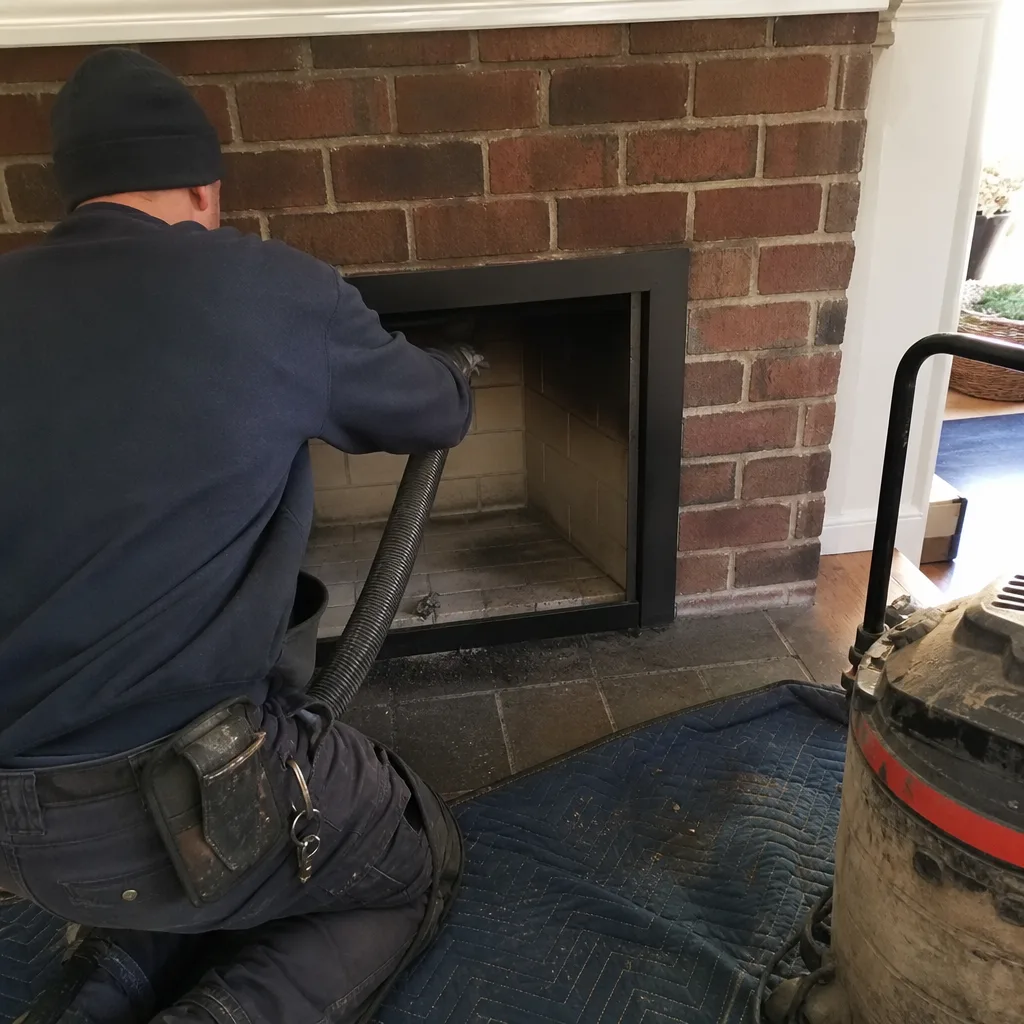
Chimney sweep logs do not sweep chimneys. They loosen some creosote - which then falls where a brush and vacuum still have to collect it.


 Before
 After
After Before
 After
After Before
 After
AfterFamco Flue Liner Replacement: The New York City Owner’s Guide
We stock and install Famco-compatible flue liner replacements across New York City, with typical installed prices running $2,200 to $4,800 depending on flue length, access, and liner diameter. Most swaps take four to six hours on-site, and we carry common Famco oval and round liner sizes on our trucks so a single visit usually handles it. You’ll most likely discover the problem two ways: a sweep or inspection finds a crack or separation, or a boiler or water heater starts venting poorly and the technician traces it back to the liner. Either way, you’re dealing with a part that sees constant thermal cycling and acidic exhaust, and in New York City’s older masonry chimneys that combination eventually wins.
Which Famco Models This Applies To
Famco has made flue liners and venting components for decades, and the naming is not always obvious from the outside. The liner itself is usually an aluminized or 316L stainless steel flexible tube, and the model identity lives on a small metal tag riveted near the appliance connection or on the liner’s top plate. We see three series most often in New York City: the Famco Flex series (round, 3 inch to 8 inch), the Famco Oval series (sized to fit old rectangular clay flue openings without demolition), and older Famco single-wall rigid sections that pre-date their flexible line. The critical gotcha: Famco flexible liners are sized by inside diameter, and an 8 inch clay tile flue does not automatically accept an 8 inch liner once the corrugations and insulation wrap are factored in. We measure the actual pass-through, not the nominal tile size. When the Famco tag is gone or unreadable, we match by inside diameter, length, and the appliance’s BTU and draft requirements, then confirm with a camera pass before we order or cut anything.
Signs Your Famco Flue Liner Replacement Is Failing
- Visible rust staining or flaking at the liner seams. This usually starts where condensation pools, most often near the top or at an offset. Aluminized steel corrodes from the inside out in condensing conditions, so by the time you see it, the wall is thinner than it looks.
- Exhaust smell in the basement or mechanical room. A cracked or separated liner lets flue gases escape into the chase or the home. That odor is the first warning, and it is the one to take most seriously.
- Water streaks or efflorescence on the chimney exterior. When a liner fails, hot exhaust moisture condenses inside the masonry and pushes salts to the surface. White chalky residue near the flue path is a telltale sign.
- Pilot light or burner flame behaving oddly. A restricted or failed liner changes draft, and gas appliances respond with lazy yellow flames, sooting, or rollout at the burner. Furnace technicians often flag this first.
- Debris or liner fragments in the cleanout. When sections of a rigid Famco liner corrode through, pieces fall to the base of the flue. Finding metal flakes or curved shards in the cleanout door means the liner is coming apart somewhere above.
BeforeAfterReplacement Cost & What’s Included
For a New York City row house or brownstone with a typical 25 to 40 foot flue, a Famco-compatible liner replacement runs $2,200 to $4,800 installed. That’s the honest spread, and the main variables are flue height, liner diameter, whether we’re pulling out the old liner or working around it, and roof access. A 3 inch water heater liner in a single-story extension sits at the bottom. A 7 inch oval liner in a four-story brownstone with a steep pitch and a difficult chase sits at the top. We quote both before any work starts: parts and labor separated on one written page, with the exact liner spec called out. And unlike a handshake quote, our number doesn’t move once you approve it. The work carries our 365-Day Done Right Promise. If the liner isn’t venting right after we leave, we return and make it right.
DIY or Call Us?
You can safely check a few things yourself: look for the symptoms above, check the cleanout for debris, and confirm whether the Famco tag is still legible so you can tell us what you have. We actually appreciate a homeowner who can read us the tag. What we don’t recommend is pulling a liner, especially in a New York City chimney where the flue may run through occupied space. Beyond the roof-access ladder risk and the hundred-plus pounds of steel tube, the real danger is carbon monoxide. A homeowner-installed liner that isn’t properly sized, terminated, and sealed can vent into the home instead of out of it. This is one part where the stakes are silent and invisible. If you want to talk through what you’re seeing before deciding, call (980) 580-8641 and Corrine Halstead or one of our techs will walk you through it, no pressure and no charge for the conversation.
FAQs
In New York City’s climate, an aluminized Famco liner typically lasts 12 to 20 years, and the 316L stainless versions typically run 25 to 35 years. The corrosive variable here is condensing exhaust, which is worse in older masonry chimneys that stay cold, and worse still near the coast where salt air accelerates exterior corrosion. A camera inspection is the only way to know where your liner actually is in that range. Call (980) 580-8641 and we’ll schedule one with a written price before we start.
Small tears or separated joints near the bottom can sometimes be re-secured with a coupler or patch section, as long as the surrounding metal is sound. Full-length corrosion, multiple perforations, or separation at the top plate means full replacement, and patching those just moves the failure to the next weak spot. We’ll show you the camera footage before recommending either, and the written quote says exactly what we can save.
Most single-liner replacements take four to six hours from setup to cleanup, including the camera pass before and after. Multi-story or difficult-access jobs in New York City can run a full day. We’ll give you a written time window with your written quote, and we text when the named technician is on the way.
We carry common round and oval liner diameters, connectors, top plates, and termination caps on our trucks, so most Famco replacements are done same-day. Unusual diameters or extra-long runs may need a supplier order, which is usually two to three days in New York City. When we quote, we’ll tell you whether your liner is on the truck before we schedule the work.
If you have a Famco flue liner that’s failing or you want to know where yours stands, call (980) 580-8641. We’ll schedule a camera inspection, give you a written price for any replacement work, and show you exactly what we’re seeing before we do anything. Emberly Chimney Cleaners is independently owned and operated, serving New York City and nearby areas, and we also stock parts from DuraFlex, HeatShield, and Gelco.
Written by Corrine Halstead, Owner, Emberly Chimney Cleaners at Emberly Chimney Cleaners, serving New York City and nearby areas.