
Level 1 sweep and inspection to the NFPA 211 annual standard - flue, crown, cap, and flashing checked and photographed
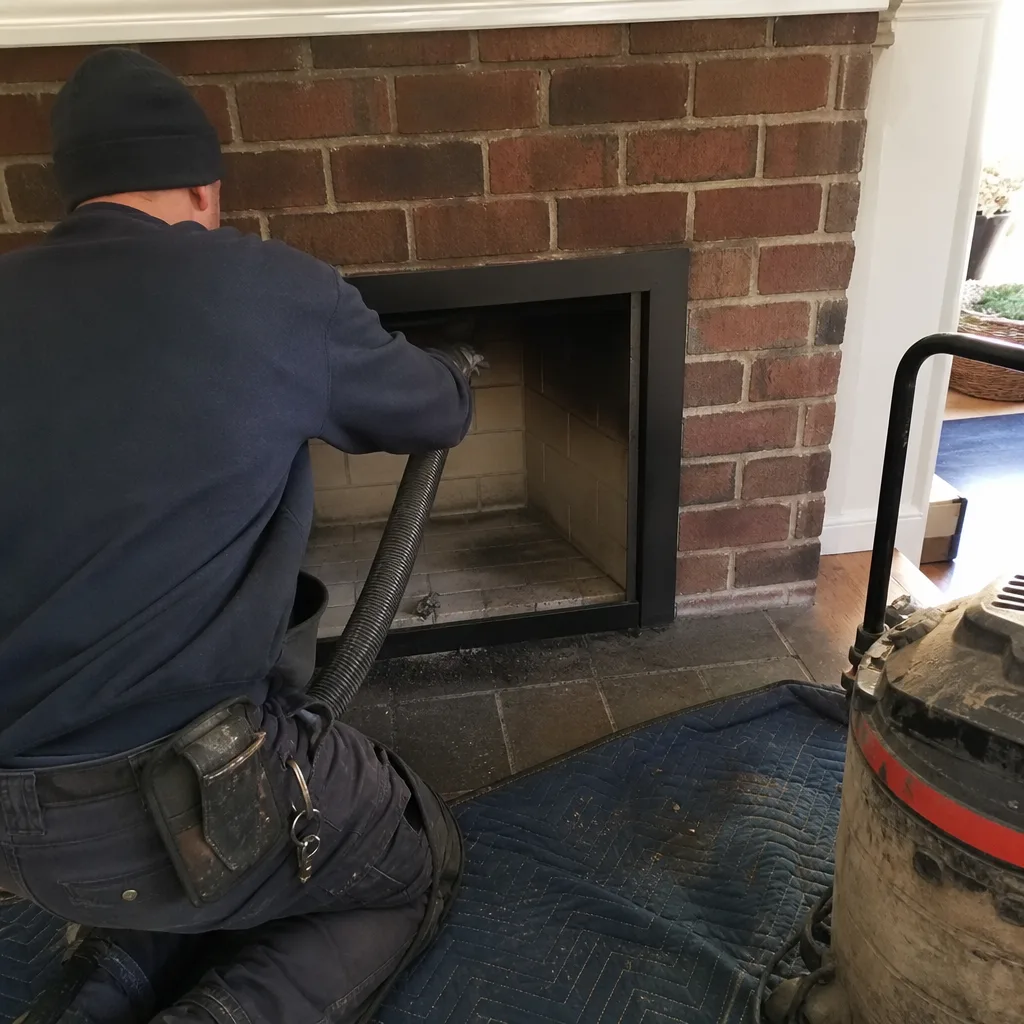
Chimney sweep logs do not sweep chimneys. They loosen some creosote - which then falls where a brush and vacuum still have to collect it.


 Before
 After
After Before
 After
After Before
 After
AfterDuraFlex Chimney Cap Installation: The New York City Owner’s Guide
A DuraFlex chimney cap installation in New York City typically runs $340 to $680 installed, including the cap, fasteners, and the labor to secure it properly. We keep DuraFlex-compatible caps in common sizes on the truck, so most jobs in Manhattan, Brooklyn, Queens, and the Bronx are done in a single visit. Most owners find out their cap has failed the hard way: water stains on the ceiling near the flue, a rusted cap visible from the street, or the unmistakable sound of a bird inside the chimney in spring.
Which DuraFlex Models This Applies To
DuraFlex is a brand under the M&G DuraVent umbrella, and their chimney caps are built to match both their flexible aluminum liners and their rigid stainless systems. The key compatibility gotcha we run into in New York City: DuraFlex caps sized for their round flex liners (typically 4″, 5″, 6″, and 8″ diameters) do not interchange with the ovalized or rectangular caps used on other DuraVent lines like DuraTech or DuraPlus. The part number is stamped on the underside of the cap’s mesh band: look for a “DF” prefix, then a number that corresponds to liner diameter. If the stamp is gone, measure the inside diameter of the flue opening with a tape measure, not the outside of the old cap, because corrosion swells the lip.
For a house in New York City, we generally recommend a stainless cap over a galvanized one. Galvanized caps cost less upfront, but the salt air near the East River and Hudson River plus five months of freeze-thaw cycles will eat a galvanized cap in three to five winters. A stainless DuraFlex cap in this climate typically lasts ten to fifteen years before the mesh or the mounting tabs fail. When an OEM DuraFlex cap is backordered, which happens more often than we would like, we use the Olympia Chimney aftermarket equivalents; their stainless mesh gauge matches DuraFlex specifications and the mounting collar is dimensionally identical.
Signs Your DuraFlex Chimney Cap Installation Is Failing
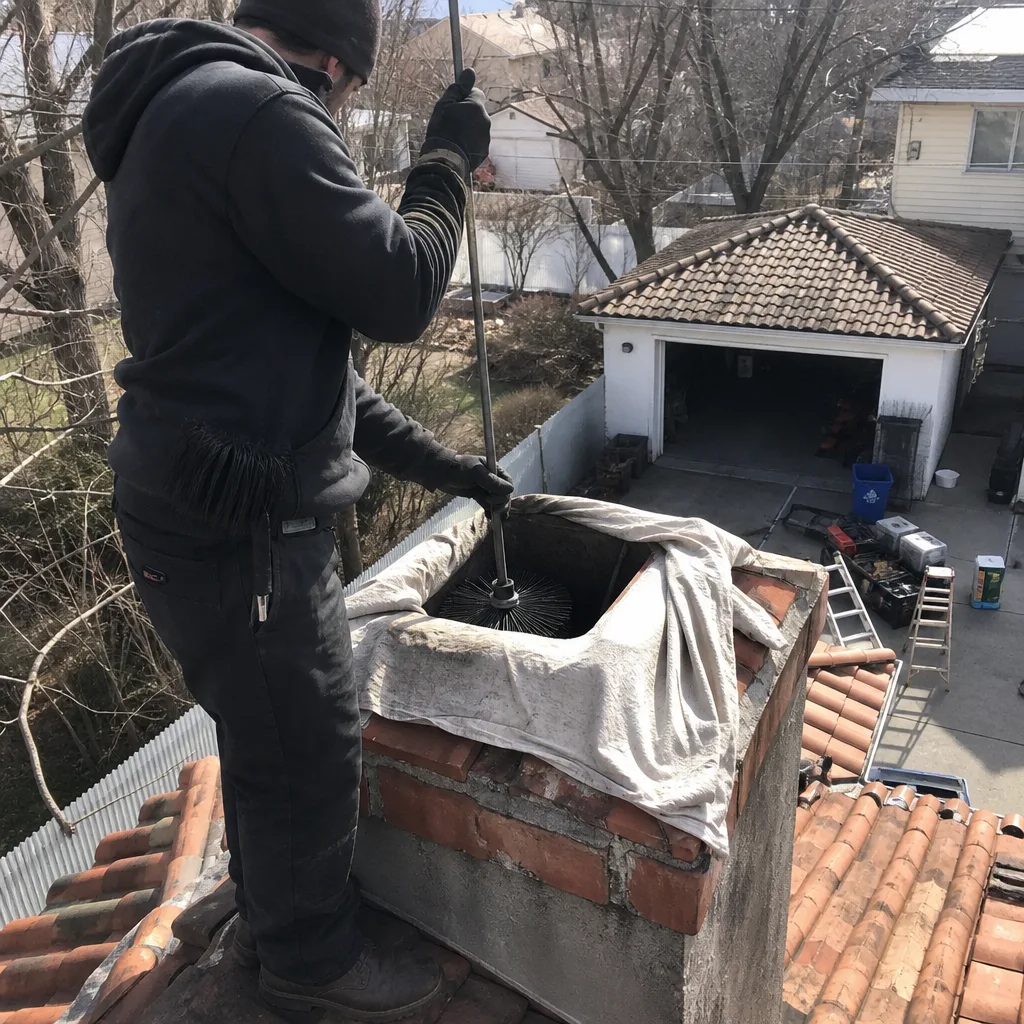
- Water dripping into the firebox during rain. This is almost always a failed cap-to-liner seal or a rusted-out cap dome. The water isn’t coming through the flue; it’s running down the outside of the liner between the liner and the old clay tile.
- Visible rust staining on the cap from the street or roof. Rust means the galvanized coating has failed and the steel underneath is oxidizing. In New York City’s humidity, this progresses faster than upstate; we see caps in Whitestone and Bay Ridge fail a full season earlier than identical caps in Putnam County.
- Bird or squirrel activity in the chimney. The mesh spark arrestor on a DuraFlex cap can separate from the dome after years of thermal expansion, leaving a gap. Starlings and squirrels in New York City will find that gap in under a week.
- Chunks of mortar or cap fragments falling into the firebox. Freeze-thaw on the cap’s mortar joint loosens the connection. If the cap is attached to a masonry crown, this is usually crown spalling, not the cap failing first, but the cap sits on top so it gets blamed.
- A draft that is worse than it used to be, or smoke backing into the room. A partially collapsed cap mesh or a dome that has shifted will restrict the flue opening. The restriction is rarely visible from ground level; you need eyes at the roofline to see it.
BeforeAfterReplacement Cost & What’s Included
In New York City, installed pricing for a DuraFlex-compatible chimney cap breaks down like this:
- Galvanized cap, common size (6″ round): $340 to $440 installed
- Stainless cap, common size (6″ round): $420 to $560 installed
- Stainless cap, oversized or odd diameter: $560 to $680 installed
- Custom cap for multi-flue or stone chimney: $680 to $900 installed, measured and ordered
What drives the range in New York City is roof access. A straight ladder against a two-story brownstone in Park Slope is a different job than a five-story walkup in Washington Heights where the tech needs to flag off sidewalk space and carry the cap up a fire escape. Labor includes removing the old cap, inspecting the top of the flue and crown for damage, wire-brushing the mounting surface if needed, and securing the new cap to the liner or crown. The price we write is the price you pay; it includes the cap, mounting hardware, and the camera photo record of the finished install. Under Haven Standard Clause 1, this is all on paper before one bolt comes off the old cap. The work is backed by our 365-Day Done Right Promise.
How We Confirm What’s Actually Broken
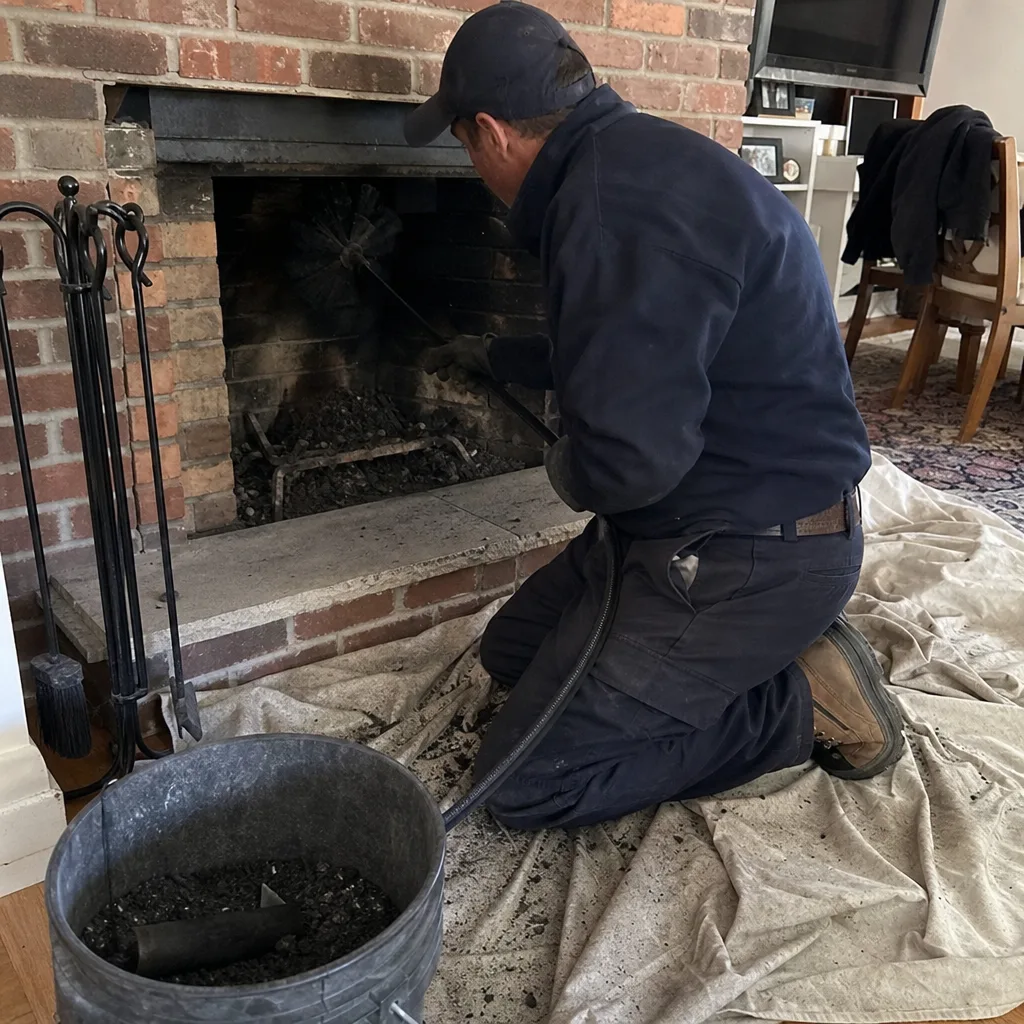
When a customer calls about a failed cap, we don’t recommend the repair until the tech has eyes on it, and we mean that literally. Every visit includes a camera down the flue, which does two things: it shows whether water has already damaged the liner behind the cap, and it gives us a record of the flue’s condition before we touch anything. Corrine Halstead has shown customers their own flue footage in kitchens, on stoops, and once on a front step in Astoria while a tour bus idled at the curb. The camera doesn’t soften what it finds. Neither do we. What it finds is what we price. If the cap is the only failure, we say so and we install the new one. If the camera shows a liner that failed because the cap failed years ago, we price that too, but we show you the footage first.
DIY or Call Us?
If you can see your cap from a flat roof and the chimney is one story tall, you can check for rust, blocked mesh, or a tilted dome without touching anything. We encourage that. What we do not encourage is working on a sloped New York City roof without proper tie-offs, especially on the steep pitches common in historic districts like Brooklyn Heights or Hudson Heights. The safety risks of working at height with tools in hand outweigh the savings of a DIY cap swap for most homeowners. And roof access in New York City often means navigating skylights, parapet walls, and neighbor-adjacent party walls; one wrong step becomes a liability you do not want. If you want an honest assessment of whether the cap is even the right fix, call us first. We’ll tell you what we see.
Call (980) 580-8641 for a written estimate. A Emberly technician will inspect the cap, show you the camera footage, and put the price on paper before any work starts.
FAQs

A stainless DuraFlex cap typically lasts 10 to 15 years in New York City’s climate; galvanized caps generally fail in 3 to 5 years due to the salt air near the rivers and freeze-thaw cycling on the mounting surface. If your cap is older than that, it’s worth a roof-level inspection even if you haven’t noticed water inside.
In most cases, no. Once the mesh separates from the dome or the mounting tabs rust through, welding a used cap is more expensive than a new one, and the repair won’t outlast the remaining metal. If the issue is simply a loose fit to the liner, we can sometimes resecure it; if the metal itself has failed, replacement is the honest fix.
Most single-cap replacements in New York City are completed in 45 to 90 minutes, plus roof access time. The full visit, including the camera inspection before and after, runs about two hours. Custom caps that must be ordered take one to two weeks from measurement to install.
We stock stainless aftermarket caps sized to DuraFlex liners in the most common diameters: 4″, 5″, 6″, and 8″ round. For odd sizes, custom shapes, or multi-flue configurations, we measure and order; the written price we give you includes the exact cap we’ll install. We also keep HeatShield and Gelco liner materials in stock, so if the camera inspection shows liner damage behind the cap, the repair can often be quoted and scheduled in the same visit.
Written by Corrine Halstead, Owner, Emberly Chimney Cleaners at Emberly Chimney Cleaners, serving New York City and nearby areas.