
Level 1 sweep and inspection to the NFPA 211 annual standard - flue, crown, cap, and flashing checked and photographed
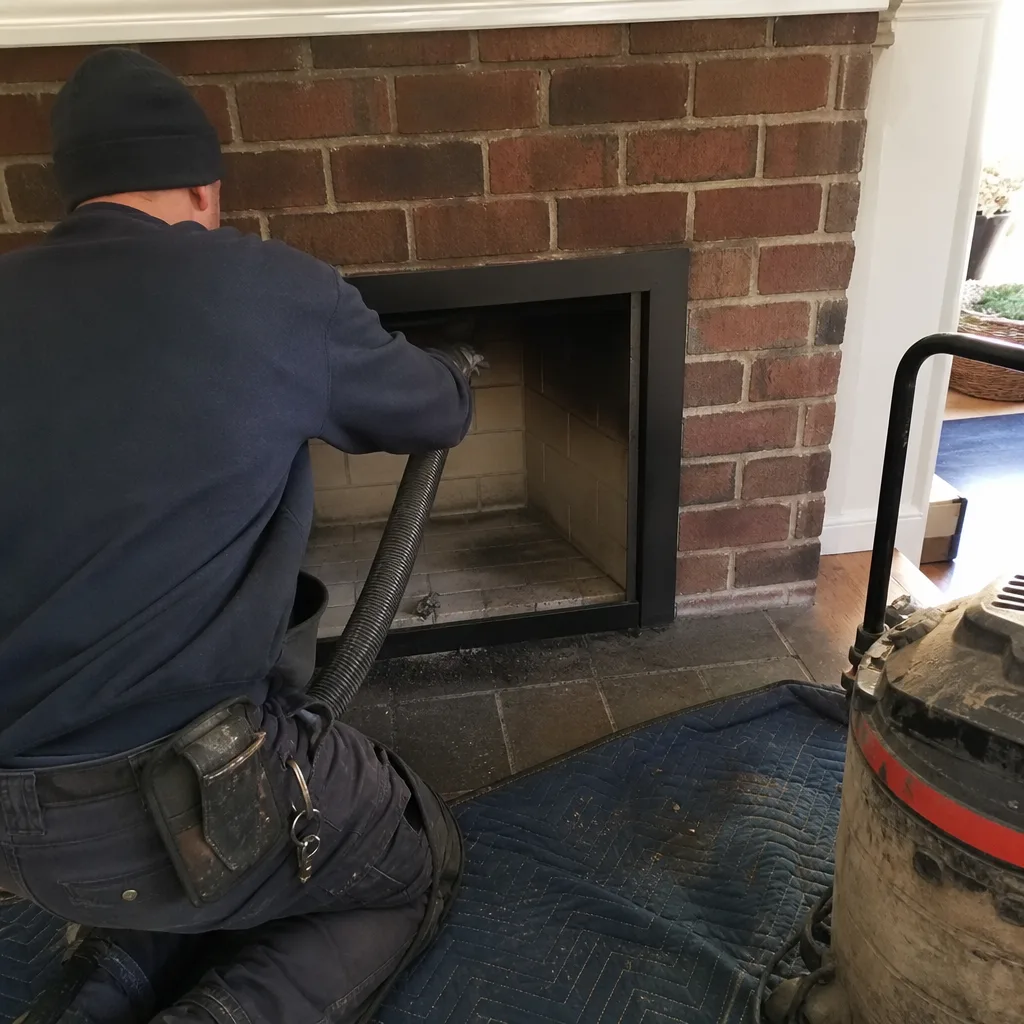
Chimney sweep logs do not sweep chimneys. They loosen some creosote - which then falls where a brush and vacuum still have to collect it.


 Before
 After
After Before
 After
After Before
 After
AfterCopperfield Flue Liner Replacement: The New York City Owner’s Guide
A Copperfield flue liner replacement in New York City typically runs $2,800 to $5,400 installed, depending on flue length, roof access, and whether the original liner was rigid stainless or a flexible reline kit. We stock Copperfield-compatible liner sections, connectors, and top plates on our trucks, so most replacements in Manhattan, Brooklyn, and Queens happen in a single visit. The way most owners discover the liner is done: rust flakes in the firebox, a patch of moisture on the chimney breast wall, or the oil burner tech refuses to sign off on the flue during the annual boiler service.
Corrine Halstead puts it plainly: “The camera doesn’t soften what it finds. Neither do I.” If the footage shows perforation through the liner wall, the fix isn’t a patch, it’s a replacement.
Key takeaways:
- We carry Copperfield-compatible liners and connectors in the most common NYC diameters: 5.5″, 6″, and 8″.
- Installed price range: $2,800 to $5,400, written before we start, with no ‘call for quote’ games.
- You get photo documentation of the failed liner and the new one before teardown and after completion.
- We’re an independent chimney service company, not affiliated with Copperfield. That matters because we’re free to recommend the fix that’s actually right for your flue, not the one tied to a brand contract.
Which Copperfield Models This Applies To
Copperfield makes both rigid and flexible stainless liners under its chimney division, and the parts cross over with several furnace and boiler flue configurations common in New York City brownstones, prewar apartment buildings, and attached rowhouses. The most frequent Copperfield liners we replace in NYC are:
- Copperfield 6″ and 8″ flexible stainless liners used for gas water heaters and boilers in prewar buildings.
- Copperfield rigid liner sections for wood-burning fireplaces where the original clay liner was relined sometime in the 1990s or 2000s.
- Copperfield oval-to-round adapters and top plates, which fail at the connection point before the liner itself does.
Here’s the compatibility gotcha most NYC owners run into: Copperfield flex liners and rigid sections use a slightly different corrugation profile than DuraFlex or Olympia liners. The diameter stamps match, but the connector collars don’t always seat properly across brands. So when a homeowner buys a generic 6″ connector online and tries to mate it to a Copperfield liner, we often get called after the first draft test fails. We stock Copperfield-spec connectors and top plates on the truck specifically to avoid the mix-and-match problem. If you’re unsure what you have, look for the stamped metal tag near the top plate or in the appliance connection. If there’s no tag, our camera scan will show the corrugation profile and seam pattern clearly enough to identify it.
Signs Your Copperfield Flue Liner Replacement Is Failing
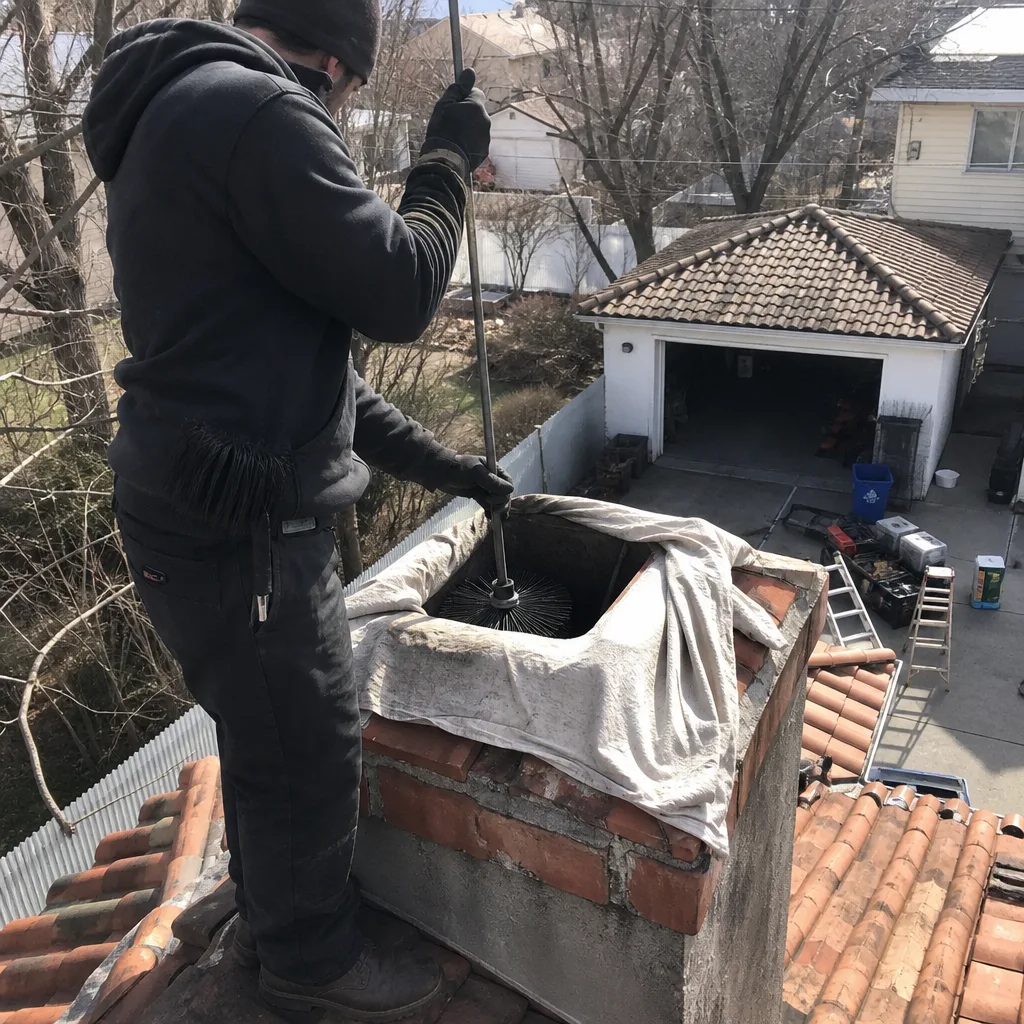
In New York City’s climate, a Copperfield liner rarely fails quietly. Freeze-thaw cycles, acid condensate from gas appliances, and decades of soot and creosote work on stainless steel just as hard as they do on the original clay. Here’s what we see in the field:
- Rust flakes or a fine brown dust in the firebox or at the cleanout door. Stainless doesn’t rust in the usual sense, but the welds and connectors do when exposed to persistent condensation. That dust is the first sign the liner is losing wall thickness.
- Moisture staining on the chimney breast wall or ceiling below the roof line. When the liner perforates, flue gases condense inside the masonry and show up as brown or yellow patches. This happens in Manhattan walk-ups and Queens side-hall colonials alike.
- A gas or oil burner tech flags the flue during annual service. This is how most NYC Copperfield owners find out. The tech runs a draft test, gets a weak reading, and refuses to sign the inspection until a chimney company confirms the liner condition.
- A persistent soot smell in the house even when the fireplace isn’t running. Once the liner is breached, the smoke path leaks into the chase or the walls. The smell is top-down, not from the firebox.
- Visible separation at a connector or top plate. Copperfield liners fail at the mechanical joints before the run fails. If you see a gap at the appliance collar or the top plate, that needs correction sooner than later.
BeforeAfterReplacement Cost & What’s Included
In New York City, an installed Copperfield flue liner replacement runs $2,800 to $5,400. The spread comes from four things: how many feet of liner the flue needs, whether it’s a straight drop or has offsets, roof access difficulty, and whether the old liner comes out easily or fights us. A typical 30-foot straight flex run in a Brooklyn rowhouse lands around $3,600 to $3,900 installed. A 50-foot run with two offsets in a Manhattan walk-up with roof access issues pushes toward $5,000 and above.
Every quote is written, and includes:
- Removal of the failed Copperfield liner and any loose debris in the flue
- New Copperfield-compatible liner, connectors, and top plate matched to your diameter
- Installation and draft test
- Photo documentation of the old liner before we pull it and the new one after it’s seated
- Written workmanship warranty under the Haven Standard, backed by the 365-Day Done Right Promise
Materials pricing is straightforward: we source Copperfield-spec products through Haven’s buying network specifically to keep customer costs honest. The parts markup is fixed and shown as a line item, not buried in a lump sum. Clause 1 of the Haven Standard means you get the written scope and price before anyone starts. No surprises after the fact.
Free Second Opinion: bring us a written competitor quote. We’ll go line by line with ours, and if ours isn’t better value for what’s actually being done, we’ll tell you honestly.
DIY or Call Us?
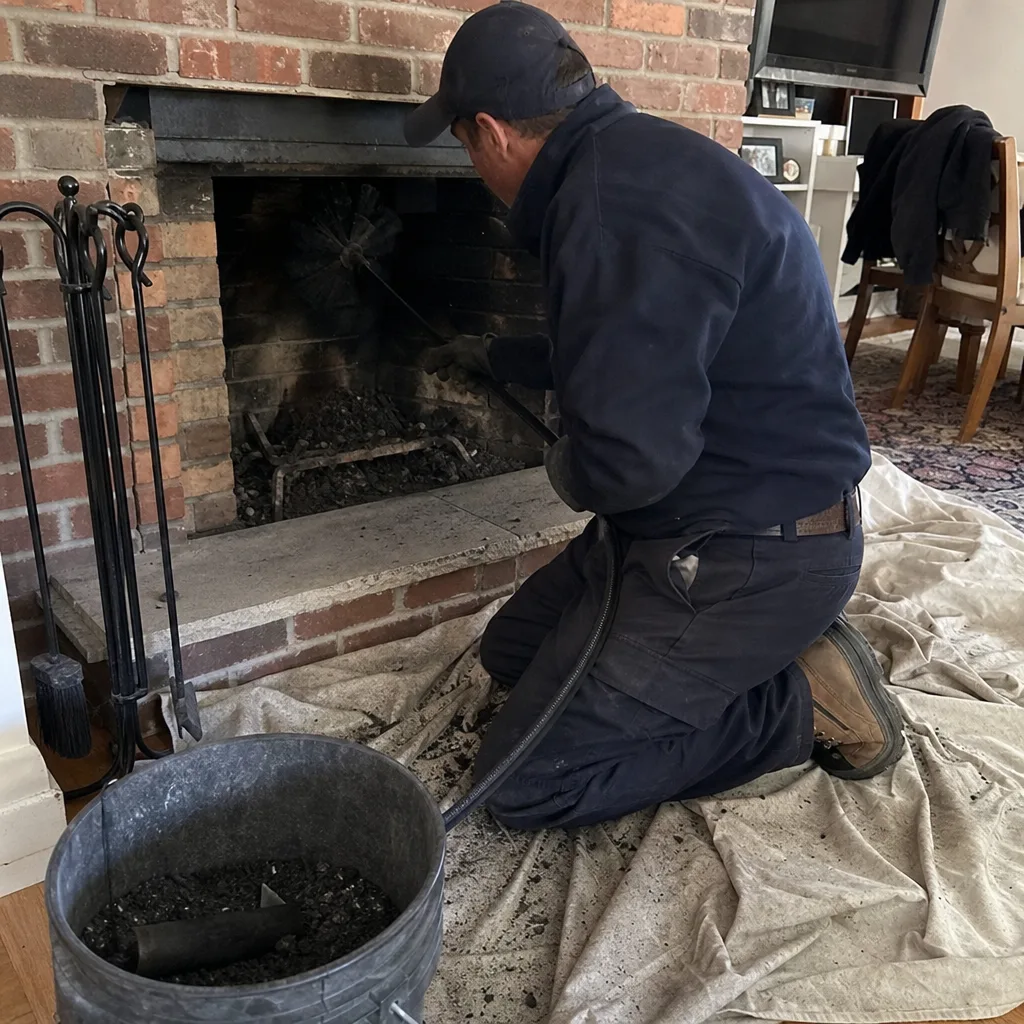
What you can safely do: look for the stamped tag on the top plate or appliance connection. Take a photo of the liner if any portion is visible from the cleanout or appliance collar. That gives us the diameter and profile before we come out. What you shouldn’t do: pull a Copperfield liner yourself. These liners are often adhered to creosote or wedged by masonry shifts, and yanking on a stuck liner from the roof or the cleanout can dislodge sections into the flue in a way that’s genuinely dangerous to you and to anyone below. The corrugated edges on cut flex liner are sharp enough to need welding gloves, and roof work in New York City means working four stories up with a spotter and a harness. This isn’t a ladder-and-gloves job, and we’d rather tell you that than read about you. Call (980) 580-8641 for a free estimate, and we’ll bring the camera, the tag, and the pricing sheet.
FAQs
A Copperfield stainless liner in New York City has a realistic lifespan of 15 to 25 years, but gas appliance flues with persistent condensation can cut that to 12 to 15. Wood-burning use pushes the range toward the top only if the chimney is swept every year and the liner isn’t routinely soaked with creosote. In practice, we see Copperfield liners installed in the early 2000s failing now. Call us at (980) 580-8641 for a camera inspection if yours is in that age range.
Sometimes, yes, if the failure is at a connector or the top plate rather than in the run. Those can be swapped relatively quickly. If the liner wall is perforated along the run, no repair is safe or code-compliant. The camera footage makes the call, not a guess. We’ll show you exactly what the flue walls look like before we talk about price.
A standard straight-drop Copperfield reline in NYC takes four to six hours, often completed in a single day. That includes removing the old liner, seating the new one, connecting at the appliance, and running the draft test. Multi-story runs with offsets or chase complications can stretch to a second day. We’ll give you a written time window with the quote, and your tech is assigned by name with arrival by text.
We stock Copperfield-compatible liners, connectors, top plates, and appliance collars on our trucks in the most common New York City diameters: 5.5″, 6″, and 8″. Larger or less common sizes we can have ready within a few days through Haven’s supply network, which also sources our DuraFlex, HeatShield, and Gelco materials. Call (980) 580-8641 for a free estimate and we’ll confirm availability before we book.
If your Copperfield flue liner is showing signs of failure and you’re in New York City, call Emberly Chimney Cleaners at (980) 580-8641 for a free estimate. We’ll put a camera down the flue, show you the footage, and put the number in writing before any work starts. The camera doesn’t soften what it finds, and neither do we.
Written by Corrine Halstead, Owner, Emberly Chimney Cleaners at Emberly Chimney Cleaners, serving New York City and nearby areas.