
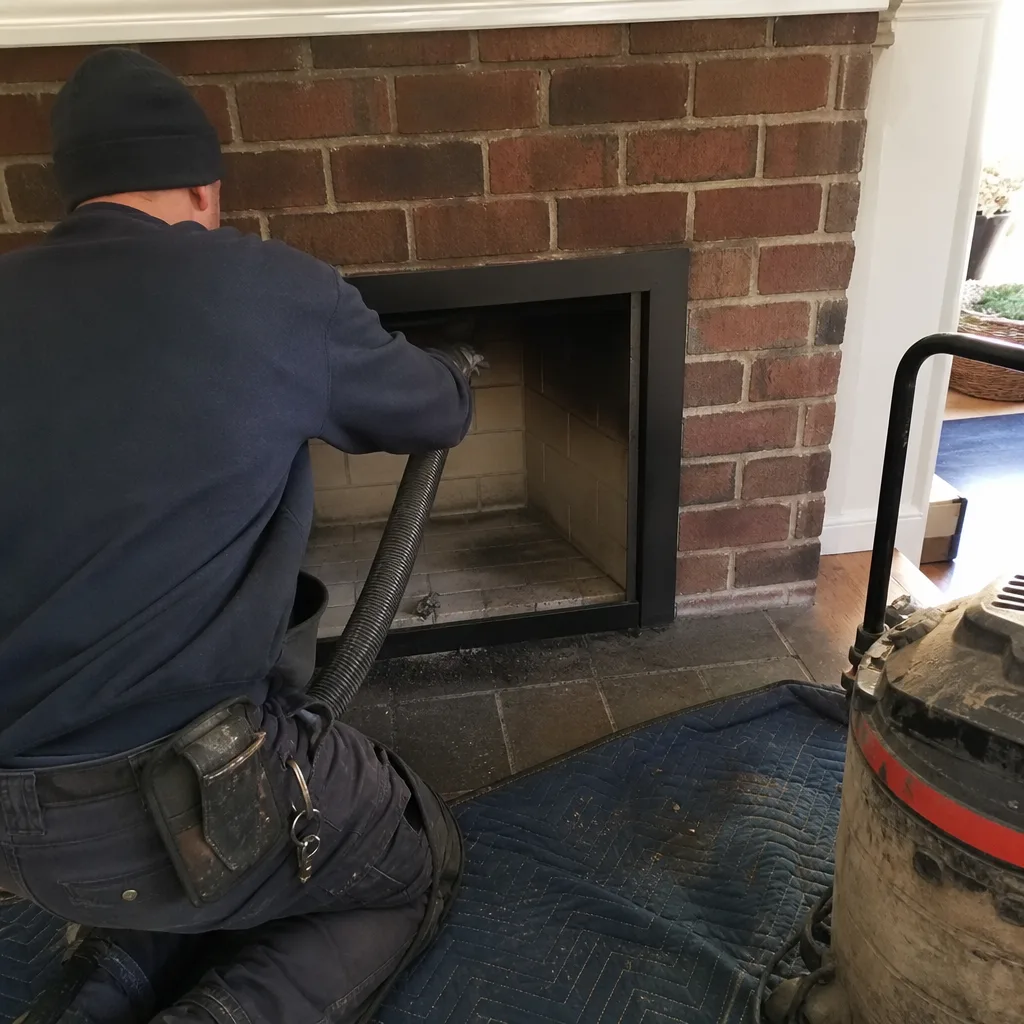
Level 1 sweep and inspection to the NFPA 211 annual standard - flue, crown, cap, and flashing checked and photographed
Chimney sweep logs do not sweep chimneys. They loosen some creosote - which then falls where a brush and vacuum still have to collect it.


 Before
 After
After Before
 After
After Before
 After
AfterFamco Chimney Cap Installation: The New York City Owner’s Guide
Famco chimney cap installation in New York City typically runs $380 to $740 installed, depending on flue size, roof access, and whether the existing mounting brackets are still sound. We stock Famco caps in the most common NYC sizes on our trucks, so most replacements go from diagnosis to done in a single visit.
The way most owners find us is simple: they look up at the roof after a storm, or they hear rain dripping down the flue, or their neighbor mentions water stains on the chimney brick. The old Famco cap is either gone entirely, rusted through at the base, or the screen has pulled away from the hood and squirrels have started testing the gap. That’s when the search starts.
Which Famco Models This Applies To
The most common Famco caps we see in New York City are the standard single-flue models with an eight-inch or thirteen-inch screen opening, and the top-mount versions used on brick-and-masonry chimneys across the five boroughs. Famco marks the screen size on the underside of the hood, but after fifteen years of New York weather, that stamp is often gone. We measure the flue tile itself: the cap must fit over the tile, not inside it, and Famco brackets need at least an inch of sound mortar bed to bite into.
The compatibility gotcha to know: Famco caps are sized for the outside dimension of the flue tile, not the inside. A flue that’s eight inches inside often needs a cap labeled for nine-and-a-half outside. If you buy a cap from a catalog and match it to the wrong number, it won’t seat.
For replacement parts, we use genuine Famco because the mounting legs are zinc-plated in a specific gauge and the hood pitch is calculated to shed water away from the flue lip. There are aftermarket equivalents that cost less up front, but the steel gauge is thinner, and in New York City that means rust at the base weld within three to five years. We’d rather install a cap we can stand behind for a decade.
Signs Your Famco Chimney Cap Installation Is Failing
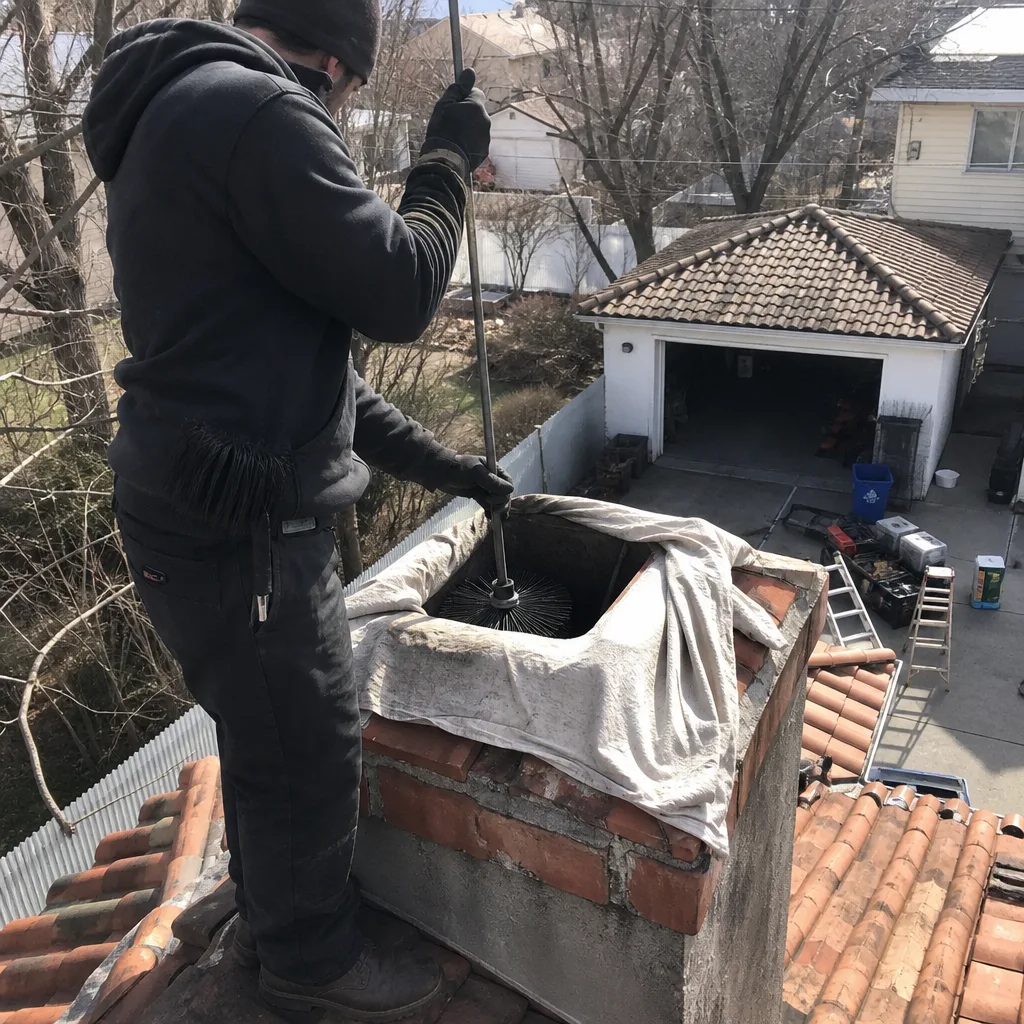
- Water in the firebox or a wet smell in the fireplace after rain. The cap hood has rusted through or the screen has pulled free, letting water drop straight down the flue.
- Debris in the bottom of the fireplace: twigs, leaves, glass. The screen mesh has torn or pulled away from the hood rim, and birds have started bringing in nesting material.
- Rust streaks staining the crown or the top two feet of chimney brick. The cap base or legs are corroding, and the rust is washing down with rain and staining the masonry below.
- Cap sitting crooked or rattling on windy days. The mounting legs have loosened or snapped at the screw holes, usually because the mortar bed they were seated in has spalled, meaning the surface has started crumbling away.
- Squirrels or birds getting into the firebox. The spark screen is breached or the cap has lifted off entirely. That’s also a sign the drain inside the flue isn’t being protected anymore, and water is pooling on top of any damper assembly below.
BeforeAfterReplacement Cost & What’s Included
| Work | Typical Installed Price Range |
|---|---|
| Famco single-flue cap replacement, standard roof access | $380 – $520 |
| Famco cap with top-mount bracket replacement | $450 – $650 |
| Cap + minor crown repair at the bracket points | $550 – $740 |
The spread comes down to three things: roof pitch and access, whether the existing bracket points are still sound, and the flue tile size. A six-story walk-up in Manhattan with roof access through an interior hatch takes more time than a two-story brownstone in Park Slope with a back terrace. We’ll know the exact number before work begins, and it’ll be in writing. Price includes the Genuine Famco cap, sealed brackets, camera confirmation of the flue before and after install, and a written warranty on the work itself. We don’t charge extra for the photo record. Clause 4 of the Haven Standard says you get documentation of what we found and what we did on every job.
DIY or Call Us?
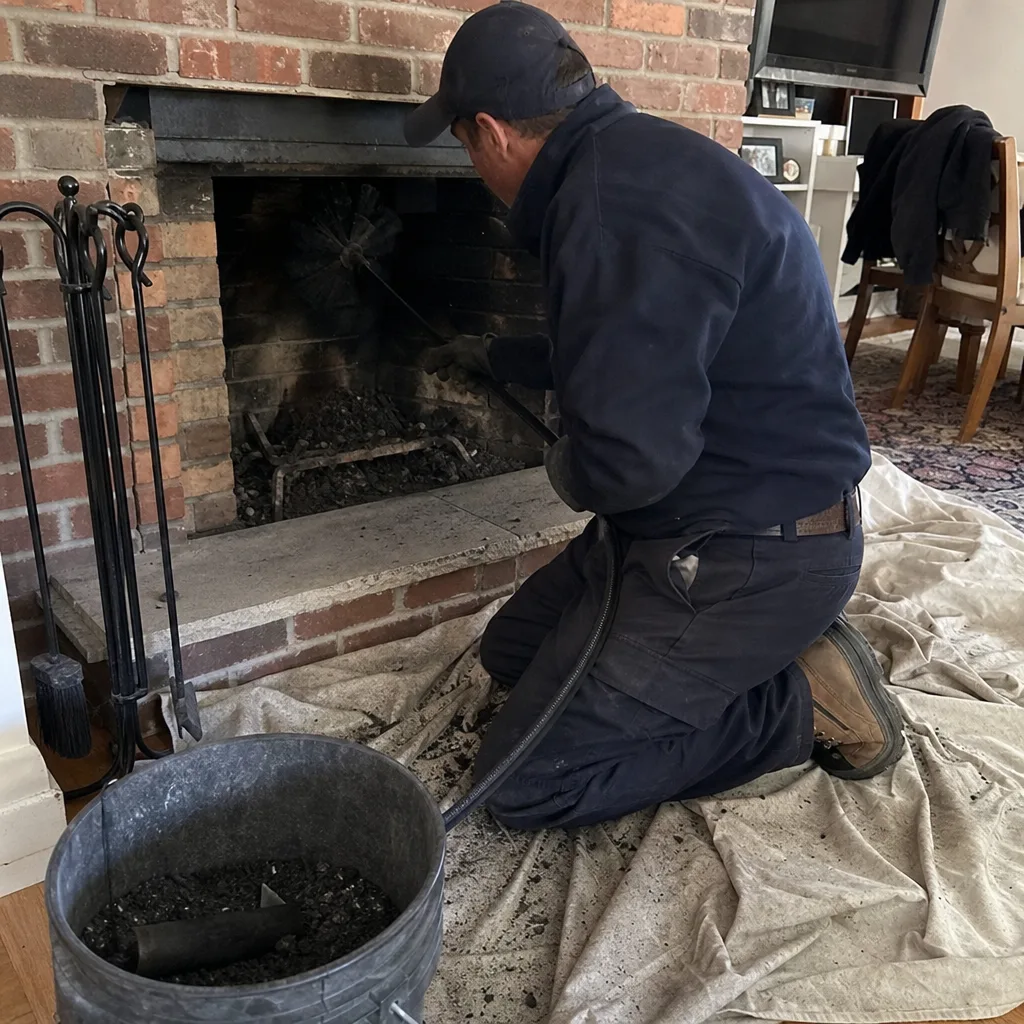
Let’s talk straight about what’s safe to do yourself. Standing on a New York City roof, leaning over a chimney, and retightening cap brackets is genuinely dangerous. Even on a one-story facade, the roof surface matters: slate, standing seam metal, and steep pitches are all common in this city and all unforgiving. Springs won’t launch you into a wall like a garage door cable will, but a twenty-foot fall onto concrete is worse. If you’re not equipped and not trained, don’t climb.
What you can safely check from the ground: look for visible rust staining, a cap that’s obviously tilted, or a missing top section after a storm. Then call us at (980) 580-8641. Our techs carry fall-protection gear, and we’ve been doing roof work in this city since 2009. It’s why our techs arrive in uniform and text when they’re on the way. We’d rather quote a safe install than read about a homeowner fall.
If a cap is just dirty or lightly rusted at the surface, we’ll tell you that too. The camera doesn’t soften what it finds. Neither do I. Corrine Halstead said that in a job-site walkthrough years ago and it stuck, because that’s how we work.
FAQs
Plan on twelve to eighteen years. New York’s wet winters with freeze-thaw cycling accelerate rust at the base weld, and marine-adjacent neighborhoods like the Rockaways or Sheepshead Bay see salt in the air that knocks a few years off that range. A cap that’s properly installed with sealed brackets will get you at least a decade.
If the hood is sound and it’s a single torn screen or loosened leg, yes, we can do that. But if the base steel is pitting and the weld line is showing rust bloom, replacement is the honest answer. A repaired cap on a failing base buys you a year, not five. Call (980) 580-8641 and we’ll tell you which one you have.
About ninety minutes on site once the tech and the right cap size are on the roof. That includes removing the old bracket points, camera-checking the flue for any damage the failed cap may have caused, and documenting the new install. You’ll get the photos when it’s done.
Yes. Our trucks carry the common New York City sizes, which covers most single-flue and top-mount replacements. For unusual flue tile sizes or multi-flue configurations, we order the correct Famco part and schedule the return visit. We also work with materials from DuraFlex, HeatShield, and Gelco when liner or fireproofing questions come up during the cap install.
Written by Corrine Halstead, Owner, Emberly Chimney Cleaners at Emberly Chimney Cleaners, serving New York City and nearby areas.