
Level 1 sweep and inspection to the NFPA 211 annual standard - flue, crown, cap, and flashing checked and photographed
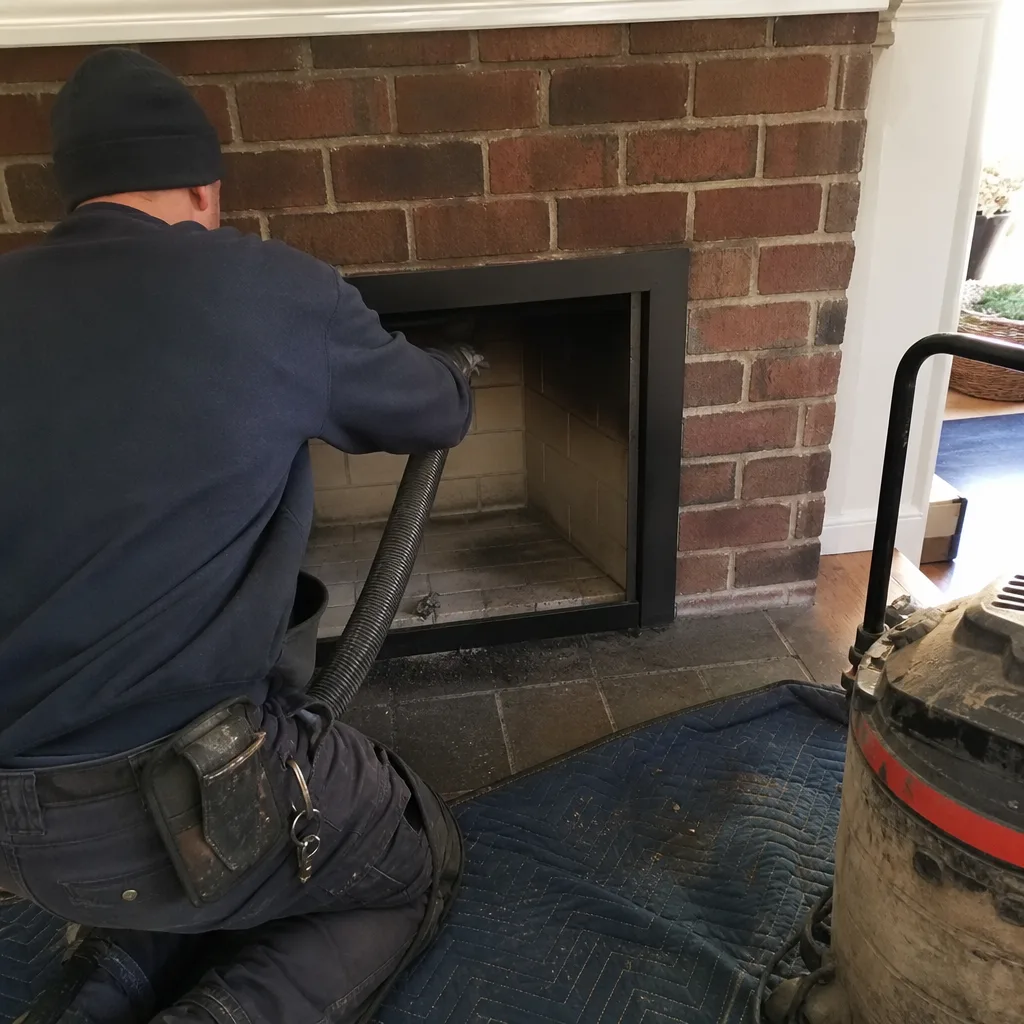
Chimney sweep logs do not sweep chimneys. They loosen some creosote - which then falls where a brush and vacuum still have to collect it.


 Before
 After
After Before
 After
After Before
 After
AfterGelco Chimney Cap Installation: The New York City Owner’s Guide
Gelco chimney cap installation in New York City typically runs $420 to $780 installed, parts and labor included, depending on your flue tile size and roofline access. We stock Gelco-compatible caps on the truck, which means most installations happen the same day we arrive for the inspection. That said, a cap replacement often starts as something else: water streaking the brick below the crown, a rust stain running down the chase, or the smell of damp flue in the firebox after a hard rain. Those are the moments when a homeowner looks up and realizes the cap isn’t doing its job anymore.
If you own a home in New York City built before 1990 and the cap has been up there through ten-plus winters of freeze-thaw cycles, there’s a real chance the mesh is compromised or the mounting brackets have worked loose. The good news: this is one of the more straightforward fixes in chimney work. The bad news: the wrong size cap does almost nothing to protect your flue, and we see wrong-size installations regularly. More on that below.
Which Gelco Models This Applies To
Gelco makes chimney caps in a few distinct lines: the standard single-flue cap, the multi-flue cap for shared or oversized crowns, and the specialty caps for chase covers on factory-built fireplace systems. Most single-family homes in New York City with a masonry chimney are running a single-flue Gelco cap, usually sized to fit flue tiles measuring 8″ x 8″, 8″ x 13″, or 13″ x 13″. The most common mistake we find is a cap that was sized to the outside dimension of the flue tile rather than the inside dimension, which means it slips or gets wedged and the mesh tears within a year or two.
Here’s the compatibility gotcha we see often: Gelco’s universal-mount bracket fits a range of tile sizes, but not all of them. If your flue tile is a nonstandard dimension or has spalled at the top edge (crumbled from decades of water exposure), the bracket won’t seat properly and the cap will rattle in wind or lift entirely during a nor’easter. Emberly Chimney Cleaners is an independent service provider, not affiliated with Gelco, but we’ve installed enough of their caps across the five boroughs to know exactly which models work and which ones cause repeat callbacks. For homes near the water, particularly in neighborhoods like Sheepshead Bay or City Island where salt air is a factor, we sometimes recommend upgrading from Gelco’s standard stainless to their copper line or a Copperfield equivalent, because the standard steel will show corrosion within three to five years in that environment.
Signs Your Gelco Chimney Cap Installation Is Failing
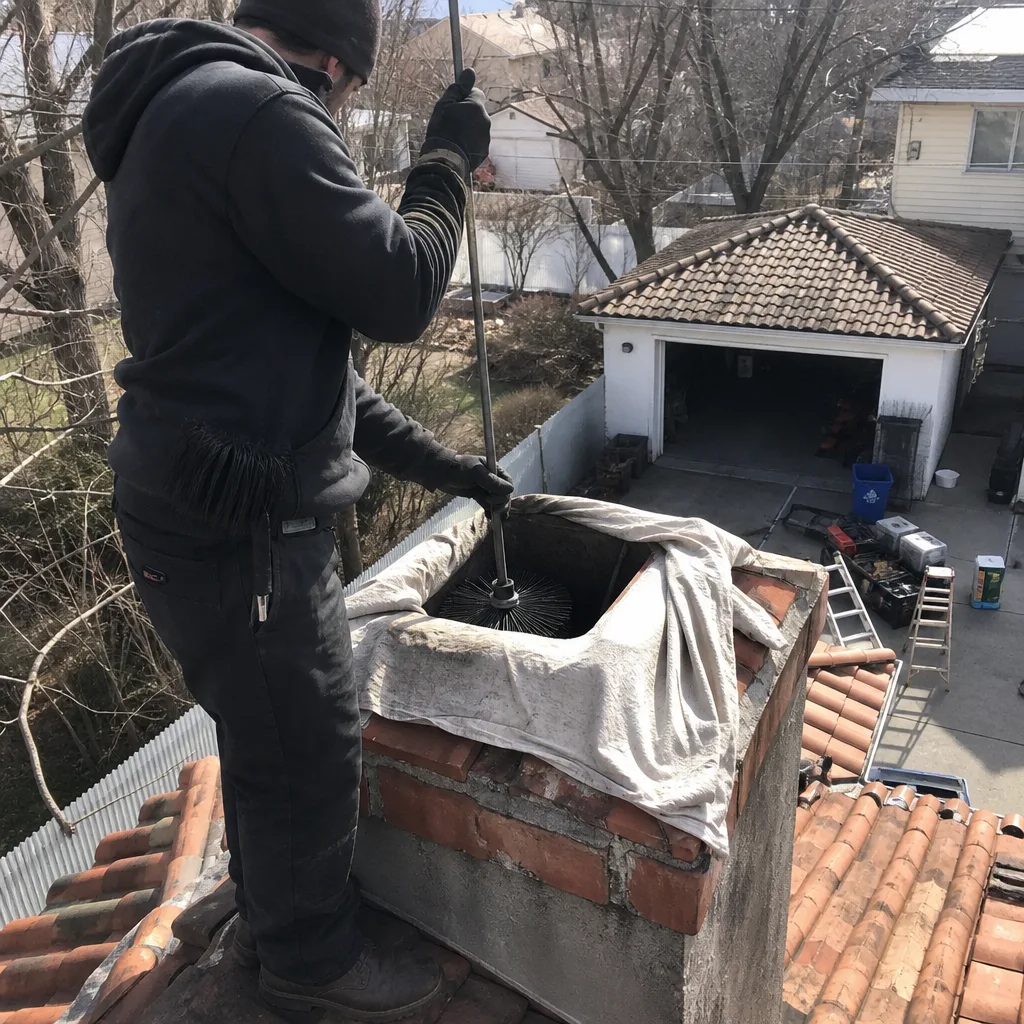
- Rust streaks running down the chimney chase or crown. This means the cap’s mesh or base is corroding. In New York City, that’s usually wind-driven rain and salt exposure doing the damage, especially if you’re within a mile of the harbor.
- Water inside the firebox after rain. A properly seated cap should redirect most precipitation. If you’re getting water, the cap has likely shifted, the mesh has torn, or the mounting bracket has pulled loose from the flue tile.
- You hear the cap rattling in high wind. That’s a bracket problem, not a cap problem. The metal is fine but the mounting hardware has loosened. Left alone, the cap will eventually lift and drop into the yard or onto a neighbor’s car.
- Birds or squirrel activity in the flue. The mesh on Gelco caps is designed to keep animals out. If something got in, the mesh has a hole, and where a squirrel goes, nesting material and flammable debris follow.
- Debris accumulating at the base of the flue. Leaves, twigs, and roofing grit collecting in your firebox means the cap’s screening is compromised. This is a leading cause of chimney blockages in New York City, where mature street trees shed directly onto rooflines all autumn.
BeforeAfterReplacement Cost & What’s Included
In New York City, a Gelco-compatible chimney cap installation runs $420 to $780 for most single-family homes. What moves the number: how tall the roofline access is (a four-story brownstone costs more to stage safely than a two-story brick row house), whether your flue tile requires custom sizing, and whether you choose standard stainless, upgraded stainless, or copper.
Here’s the breakdown, because we believe in putting the number on the page before anyone steps foot on your property.
- Cap and mounting hardware: $180 to $320 for a Gelco single-flue cap in stainless; copper runs $380 to $600.
- Labor and roofline access: $180 to $320, which includes ladder setup, safety rigging where needed, the installation, and a photo report of the finished work.
- Camera-scan inspection of the flue: included at no extra charge under Haven Standard Clause 4. We don’t install a cap without first showing you the condition of the flue below it.
Every installation includes a written scope and a written price before work begins (Haven Standard Clause 1). You’ll get a documented photo record of the old cap, the flue condition as found, and the new cap installed. If it’s not done right, our 365-Day Done Right Promise means we make it right.
DIY or Call Us?
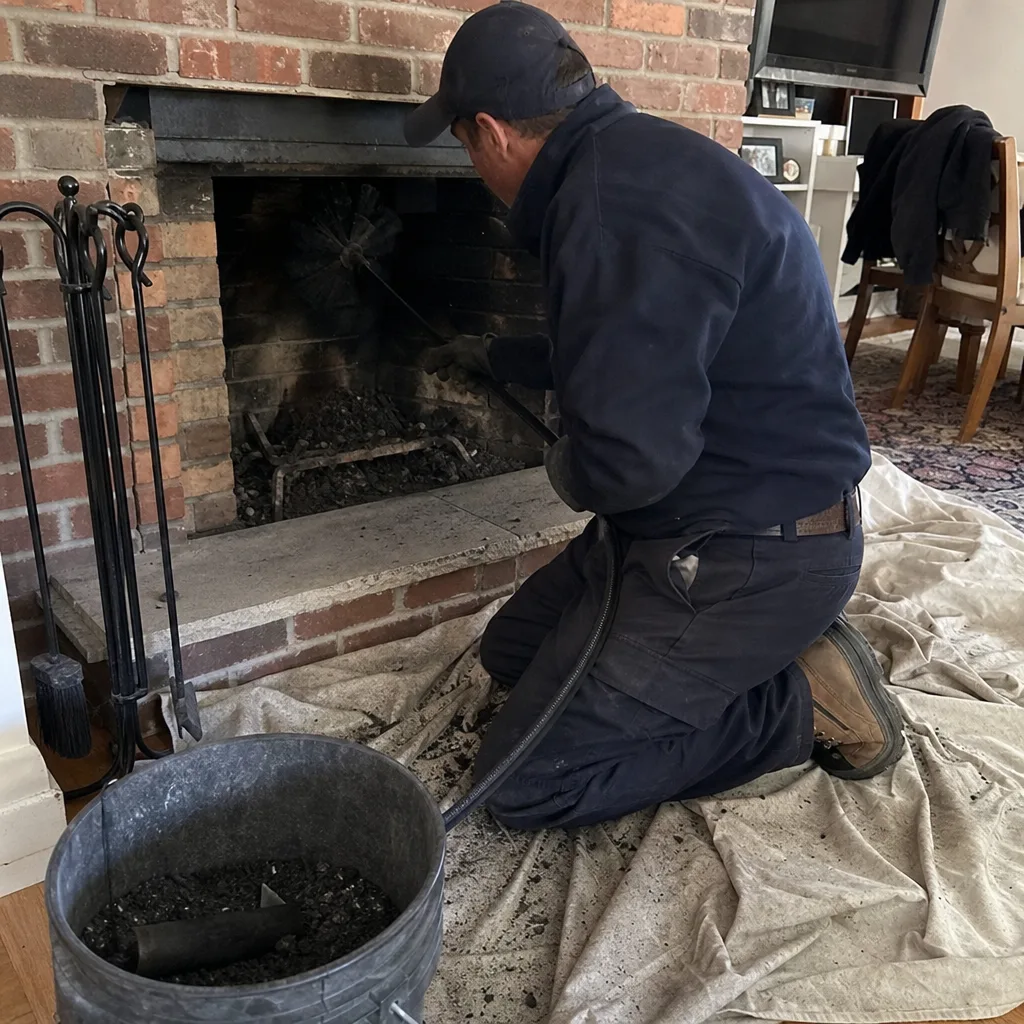
Replacing a chimney cap means working on a roof, and in New York City that’s typically a steep-pitched roofline with limited staging space. You can safely check for loose brackets or visible rust from the ground with binoculars. You cannot safely judge flue tile dimensions, bracket compatibility, or the actual condition of the flue below without getting on the roof and dropping a camera.
We’ve seen homeowners buy a Gelco cap online, guess the size, and install it at the wrong inside dimension. The cap survives one winter, then the mesh tears and a squirrel moves in. Then they call us anyway, except now there’s nesting material to remove and the flue needs a cleaning before the new cap can go on. If you’re comfortable on a ladder and your roof is a low-pitch walkable surface, this is a legitimately possible DIY project. If your home is a typical New York City rowhouse or brownstone with a four-story roofline, let a trained professional handle it. Call (980) 580-8641 and we’ll give you a written quote before anyone starts.
FAQs
In New York City weather, a stainless Gelco cap lasts seven to twelve years on average. Homes within a mile of salt water, particularly in southern Brooklyn, Queens, and Staten Island, should expect the lower end of that range. If you’re replacing a cap that’s already showing rust at year eight, that’s normal wear, not a product defect. Call (980) 580-8641 for an exact quote on your roofline.
Repair makes sense when only the mounting bracket has loosened or a single section of mesh has torn and the cap is otherwise sound. Repair does not make sense when the cap’s base is warped or rusted through, because a new Gelco cap costs less than patching one that’s already half its service life gone. We’ll show you the camera footage and let you make the call.
The physical installation takes 30 to 60 minutes on a typical single-flue rowhouse once the roofline is staged. The full visit, including the flue inspection and photo documentation, runs about two hours from arrival to written summary. We’ll text you when the tech is on the way.
Yes. Our trucks carry Gelco-compatible caps in the most common New York City flue sizes (8″ x 8″, 8″ x 13″, 13″ x 13″), along with mounting brackets and stainless hardware. We also stock DuraFlex and HeatShield product lines for liner work. If your flue requires a custom size, we’ll order it and have it installed within five to seven business days.
If you’re seeing water in the firebox, rust on the chase, or you’ve simply looked up lately and realized you can’t remember the last time anyone touched that cap, call (980) 580-8641. We’ll bring the camera, show you exactly what’s happening up there, and put a written price in front of you before any work begins. Corrine Halstead personally reviews the inspection footage on every install. The camera doesn’t soften what it finds. Neither do we.
Written by Corrine Halstead, Owner, Emberly Chimney Cleaners at Emberly Chimney Cleaners, serving New York City and nearby areas.