
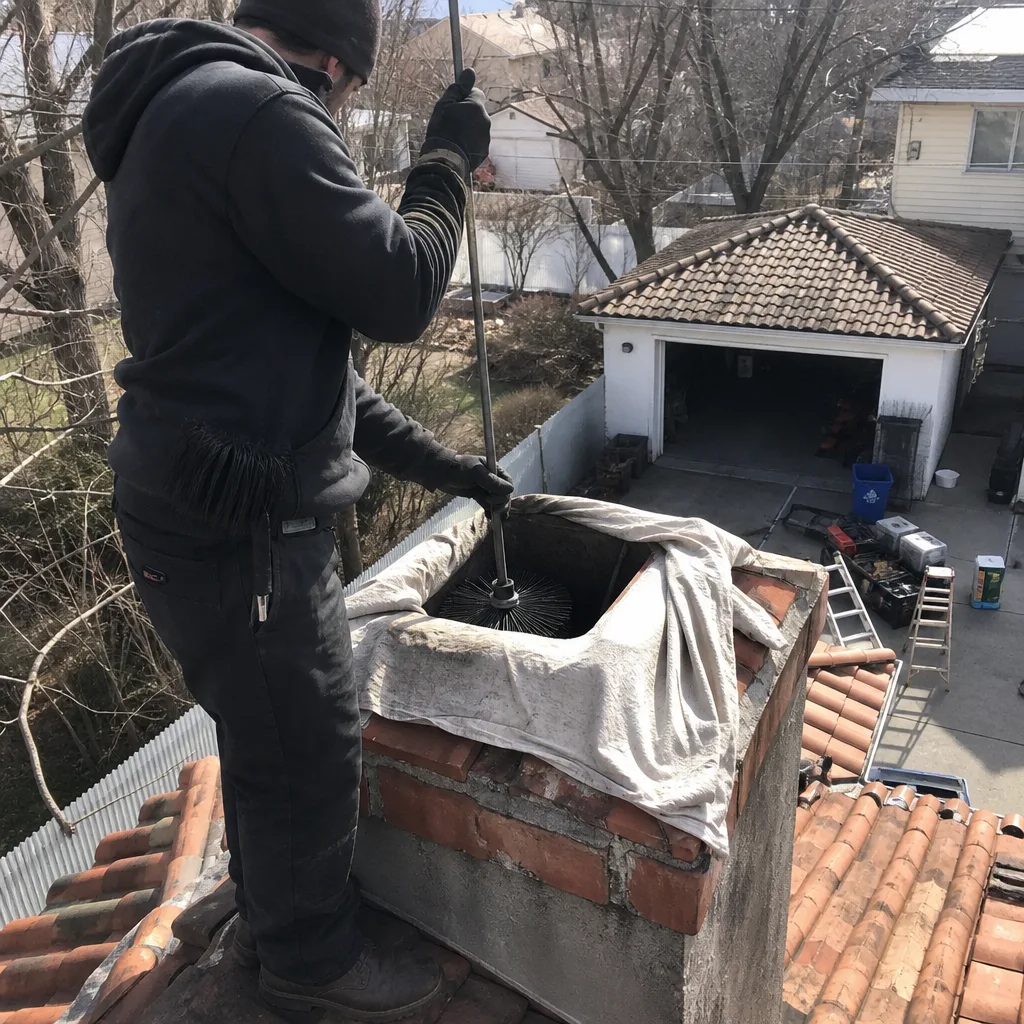
Level 1 sweep and inspection to the NFPA 211 annual standard - flue, crown, cap, and flashing checked and photographed
Chimney sweep logs do not sweep chimneys. They loosen some creosote - which then falls where a brush and vacuum still have to collect it.


 Before
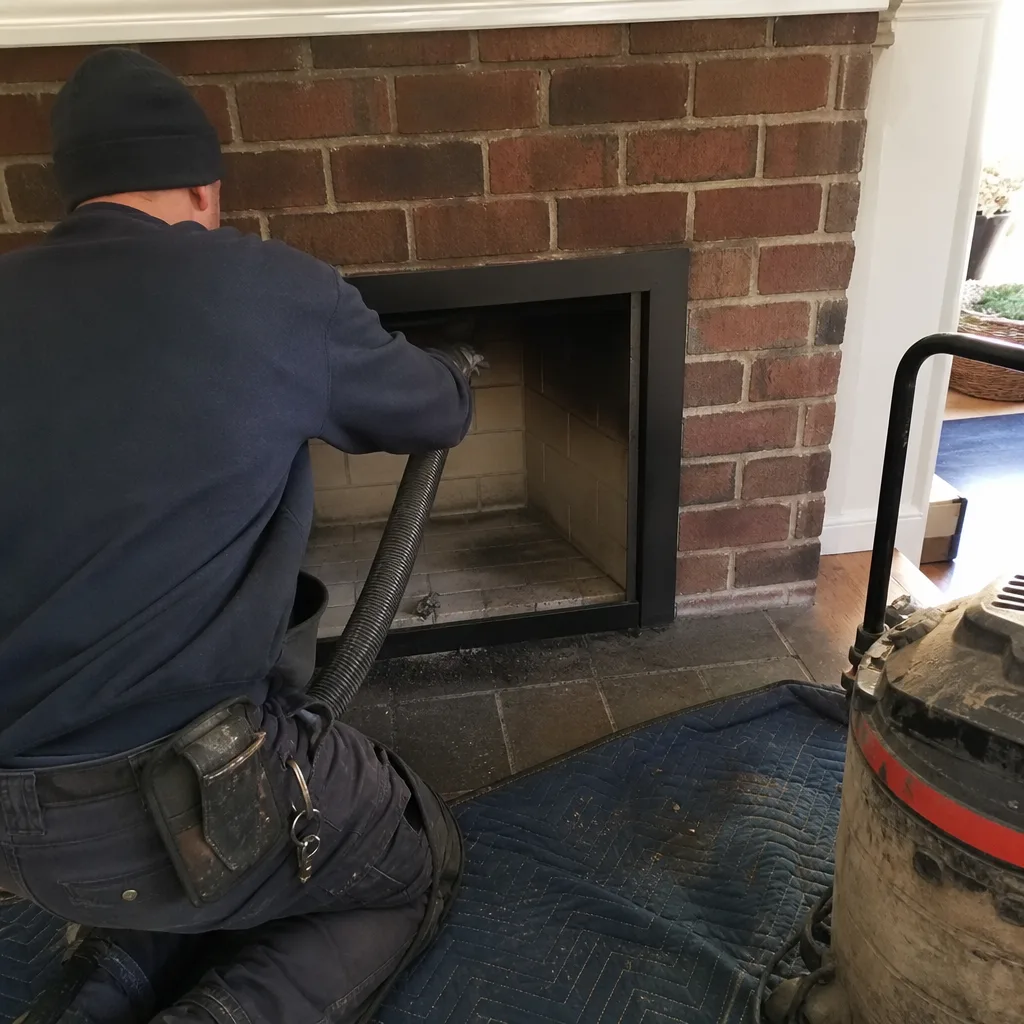 After
After Before
 After
After Before
 After
AfterDuraFlex Flue Liner Replacement: The New York City Owner’s Guide
We stock and install DuraFlex-compatible flue liner replacements across New York City, with most single-flue relines running between $2,800 and $4,600 installed. That number includes the liner kit, connector, termination cap, labor, and the camera-scan documentation you take away when we’re done. Most New York City homeowners discover they need this part one of two ways: a chimney sweep flags it during a Level 2 inspection, or a gas boiler starts throwing exhaust codes and the HVAC tech traces it back to a deteriorated liner.
If you’re reading this, you probably already know the liner is the problem. What you need now is an honest answer about whether the part can be matched, what it should cost, and whether it’s safe to keep using the fireplace or boiler in the meantime. Our owner Corrine Halstead has been showing customers camera footage of exactly what their flue walls look like before any price conversation begins since long before that was the industry norm. The camera doesn’t soften what it finds. Neither do we.
Which DuraFlex Models This Applies To
DuraFlex makes two main product families that show up in New York City homes: the 316L alloy flexible liner, used for gas appliances and most oil-to-gas conversions, and the AL29-4C stainless, used for higher-efficiency condensing equipment. The 316L liner is the one we replace most often, usually in 4-inch through 8-inch diameters, and it comes in standard 25-foot and 35-foot kits with the connector already fitted.
Here’s the compatibility gotcha most people miss: a DuraFlex 316L liner cannot be spliced to a competitor’s liner with just any coupler. The corrugation pitch differs, and a mismatched coupler will leak flue gases. When a partial section fails, we have to determine whether the remaining liner is structurally sound enough to accept a proper DuraFlex-spec coupler, or whether the whole run needs to come out. Corrine and our techs measure the actual diameter and check the manufacturer label, which DuraFlex stamps near the connector end. If the label is gone, we measure the corrugation depth and wall thickness to identify the series before quoting a part number.
We are an independent service provider, not affiliated with DuraFlex. But we source our liners directly through Haven’s buying network, which means we pay the same distributor prices as the big box supply houses and pass that along in the written quote. We also stock parts from HeatShield and Gelco for homes that need a repair system rather than a full liner replacement.
Signs Your DuraFlex Flue Liner Replacement Is Failing
- Water stains on the ceiling near the chimney chase. This usually means the liner has pinhole corrosion and condensation is leaking through the chimney structure. In New York City’s humid summers and freeze-thaw winters, a compromised liner weeps more than most owners expect. It’s the most common first sign we see in prewar construction.
- Exhaust smell in the mechanical room or near the fireplace. Flue gases are finding a way out before they reach the termination cap. That’s not a draft problem, it’s a liner wall failure. Gas exhaust should be invisible and odorless outside the flue.
- Soot or black staining at the breech connection. When the liner’s interior wall starts to delaminate or the corrugation develops thin spots, backpressure changes and the appliance can’t push exhaust cleanly. You’ll see the evidence where the pipe meets the liner.
- Boiler or water heater shuts off on safety lockout. Modern efficiency equipment has spill switches and pressure sensors. A corroded or partially collapsed liner changes flue draft enough to trip them. The appliance isn’t the problem; the vent path is.
- Visible rust flakes or metal debris in the cleanout. When the liner’s alloy is degrading, small pieces break off and fall to the base of the flue. If you can see rust when you open the cleanout door, the liner has been corroding for a while, not weeks. That’s a replacement condition, not a wait-and-see.
BeforeAfterReplacement Cost & What’s Included
In New York City, a DuraFlex flue liner replacement for a single appliance typically lands between $2,800 and $4,600 installed. For a two-appliance shared flue, the range moves to roughly $3,800 to $5,800, because the liner diameter increases and the job takes longer. The spread comes down to three factors: height of the run (a five-story brownstone costs more than a two-story rowhouse), whether scaffolding or roof access restrictions apply, and whether the chimney needs crown work or a new termination cap at the same time.
Every quote we write separates the liner kit from the labor, so you can see exactly what the part costs versus what the installation costs. That’s Clause 1 of the Haven Standard: a written price, written scope, and written warranty before anyone starts. The work itself is covered by our 365-Day Done Right Promise: if it’s not done right, we make it right. No proration, no arguments, no second trip charge.
DIY or Call Us?
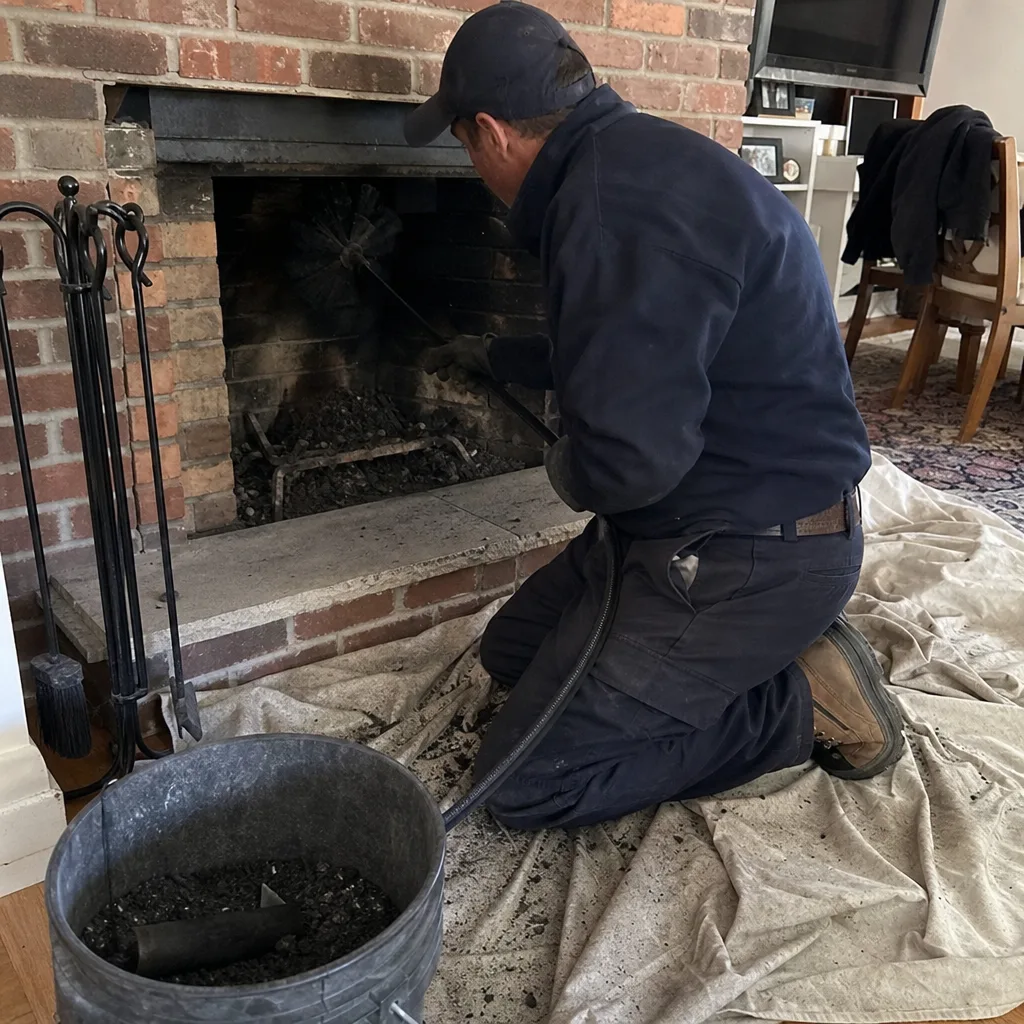
You can safely do one thing yourself: open the cleanout door and look for rust flakes, water staining, or debris. You can also read the manufacturer label if it’s accessible near the connector. That information directly helps us quote the right part.
What you shouldn’t do is attempt a liner replacement yourself. Flexible liners are under spring tension when uncoiled, and a whip from a partially unspooled 25-foot section can break fingers. The work also involves working at height on a roof, handling flue components that weigh enough to cause serious injury if dropped, and verifying the connection is sealed correctly with a camera before you fire the appliance. Incorrectly connected liners leak carbon monoxide into the home, and carbon monoxide doesn’t give you a warning. If the liner has failed, call (980) 580-8641 and we’ll put a written price in front of you before anything gets touched.
FAQs
A DuraFlex 316L liner correctly sized and installed in New York City typically lasts 15 to 25 years, though the freeze-thaw cycles and salt air near the waterfront boroughs can shorten that to 12 to 15 years. Condensate and sulfur corrosion are the real killers, not age. We replace liners that still look structurally intact but have wall thinning too severe to pass a camera inspection.
No for the liner wall itself, but the connector and termination cap can often be replaced independently if the liner body is still sound. The liner is a single continuous wall; when it corrodes through, there is no patch that restores structural integrity or seals against flue gas. What can sometimes avoid a full replacement is a HeatShield or Gelco resurfacing system, which we install and warrant under the same Haven Standard terms. Call (980) 580-8641 and we’ll tell you honestly which path applies to your liner after a camera inspection.
Most single-flue DuraFlex liner replacements in New York City take one day, with a two-person crew handling roof access, the pull, the fit, and the camera documentation. Multi-story buildings or jobs requiring scaffolding can extend to two days. You get a written time estimate in your quote, and our technician texts when they’re on the way.
We stock common 316L liner diameters in 25-foot and 35-foot lengths, plus connectors, termination caps, and roof flashings, so most New York City single-flue jobs are completed same visit. Specialty sizes or AL29-4C liner for condensing equipment is brought for the scheduled install day. If you tell us your appliance type and current liner diameter when you call, we can confirm inventory before we arrive.
Written by Corrine Halstead, Owner, Emberly Chimney Cleaners at Emberly Chimney Cleaners, serving New York City and nearby areas.