

Level 1 sweep and inspection to the NFPA 211 annual standard - flue, crown, cap, and flashing checked and photographed
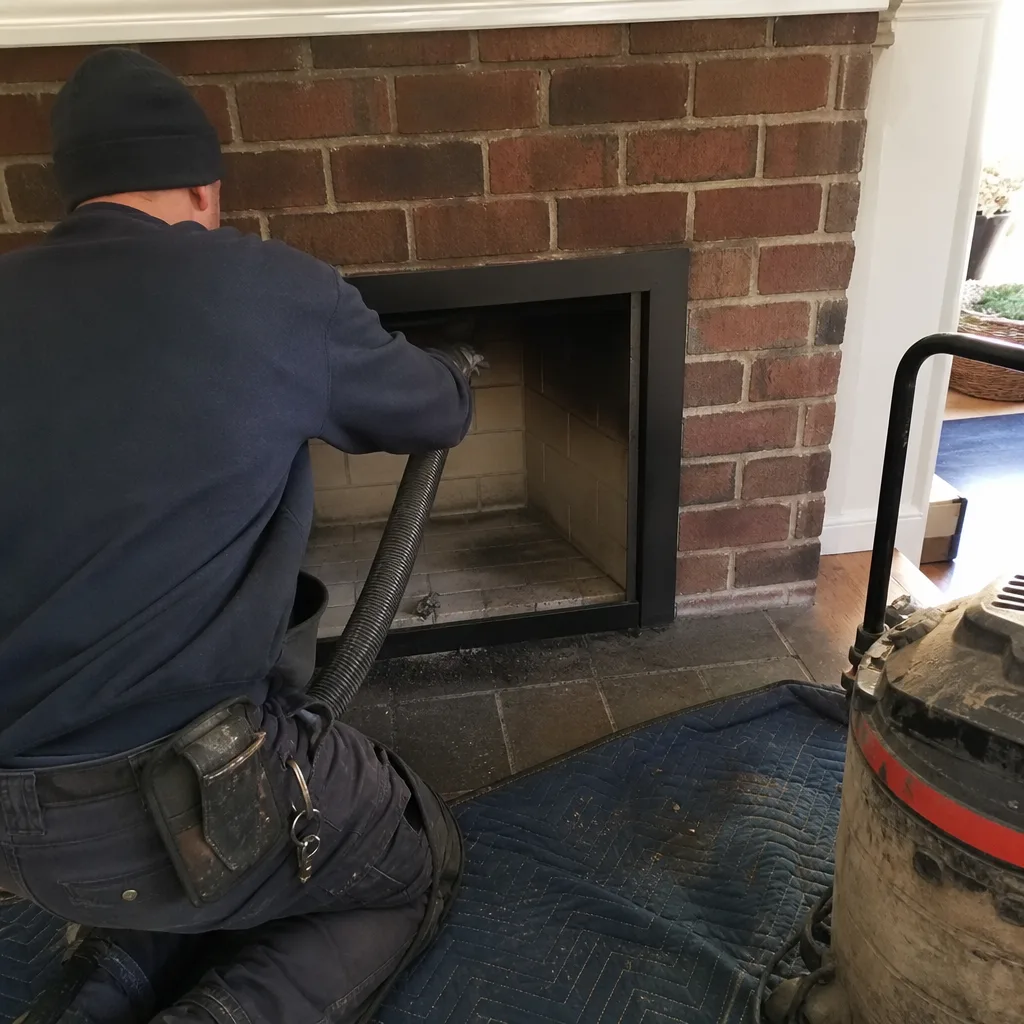
Chimney sweep logs do not sweep chimneys. They loosen some creosote - which then falls where a brush and vacuum still have to collect it.


 Before
 After
After Before
 After
After Before
 After
AfterFast, Reliable Chimney Cap & Crown Across Washington, D.C.
Chimney cap and crown work in Washington, D.C. costs between $450 and $2,800 depending on whether you need a standard stainless cap, a custom copper or terracotta-profile cap for a historic district, a crown rebuild, or a multi-flue solution for an old row house stack. Most cap replacements run $450 to $950, while a full crown rebuild with proper lime-based mortar typically lands between $1,200 and $2,800. Our crews know the difference between a Dupont Circle Victorian and a Petworth porch-front, and we quote every job in writing before anything starts. Call (980) 580-8641 for a free estimate.
What most homeowners here don’t realize is that Washington, D.C.’s cap and crown failures are rarely simple. A cracked crown on a Capitol Hill row house isn’t just a cap problem. It’s a water pathway into a party wall shared with your neighbor. A missing cap on an abandoned coal flue isn’t cosmetic. It’s an open invitation for birds, rain, and draft reversal into your active fireplace flue. Emberly Chimney Cleaners has inspected and cleaned more than 38,000 chimneys since 2009, and in this city specifically, the work always starts with understanding the stack, not just capping it.
Why Emberly Chimney Cleaners Is Washington, D.C.’s Preferred Chimney Cap & Crown Company
Our approach in Washington, D.C. comes down to evidence. Every visit includes a camera-scan inspection, NFPA 211 Level 2 standard, with a documented photo record you keep. That’s not an upsell. It’s Clause 4 of the Haven Standard, and we’ve done it on every single job since 2009. You see what we see, and nothing gets recommended that you can’t verify on camera.
Washington, D.C. homeowners deal with a regulatory reality that doesn’t exist in Silver Spring or Arlington. Georgetown, Capitol Hill, Dupont Circle, and Logan Circle are all designated local historic districts. The DC Historic Preservation Office can require cap materials and profiles to match the original terracotta or copper, even for what feels like a routine replacement. We handle that paperwork and those material constraints daily. Our techs know what a DCRA permit requires and when historic review applies, because in this city the wrong cap can fail inspection just as easily as it can fail functionally.
Corrine Halstead leads our team, and she’s built a company where background-checked, uniformed technicians show up on schedule, license information is on the page, and you get a text when your tech is en route. Calls go to a live person, 24/7, not a voicemail. Washington, D.C. is a city of old brick and tight alleys, and we’ve learned that homeowners here don’t want a sales pitch. They want to know what’s wrong, what it costs, and what they’ll have in hand when the job is done. That’s the entire operating logic.
Our Chimney Cap & Crown Services in Washington, D.C.
Cap Installation
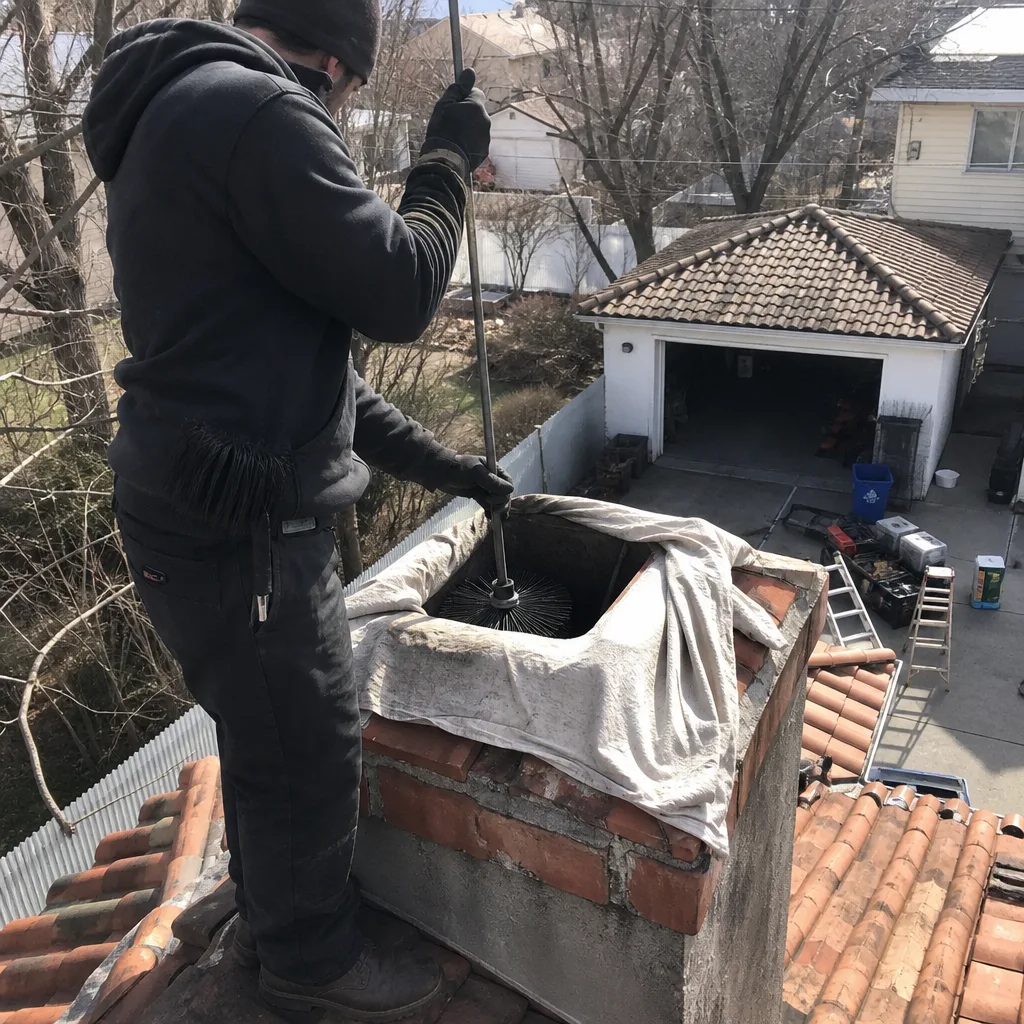
Standard stainless cap installation in Washington, D.C. runs $450 to $750 on a single flue. On a row house, we’re typically adding a cap to an active flue while also addressing abandoned coal-era flues in the same stack. Leaving those open flues uncapped is how you get nesting starlings in April and rain soaking the interior masonry all winter. We stock caps sized for the narrow oval and rectangular flues common in D.C.’s 1880s-to-1930s brick, which off-the-shelf big-box caps simply don’t fit.
Cap Replacement
Replacement work in Washington, D.C. averages $550 to $950, and the price depends on access as much as the cap itself. A third-floor chimneystack on a Georgetown row house with a shared parapet wall means ladder setup and roof protection that a detached colonial in Bethesda wouldn’t require. Corroded galvanized caps from the 1970s are the most common replacement we handle, followed by caps blown off during the derecho-style storms that sweep through the District every few years. We match the material to the exposure: stainless for most, copper where historic review or homeowner preference dictates.
Crown Repair
Crown repair in Washington, D.C. is the single most important preventive spend on a row house chimney, and it runs $700 to $2,800 depending on severity. The freeze-thaw cycling we get most winters, temperatures crossing 32°F over and over, spalls the soft historic brick and cracks the crown’s mortar cap. Once the crown is compromised, water moves into the party wall between you and your attached neighbor, and the damage compounds. We repair with a lime-based mortar matched to the original, because modern Portland cement is too hard and too rigid for 19th-century brick. It traps moisture and accelerates spalling. This is a correction we make regularly after other contractors used the wrong mix.
Crown Coating
For crowns that are structurally sound but showing surface wear, a crown coating runs $350 to $700 in Washington, D.C. We use a breathable, flexible sealant that flexes with the freeze-thaw cycles rather than cracking against them. This buys years before a full rebuild, but we’re honest on camera: if the crown is already cracked through, a coating won’t fix it. You’ll see the condition in the photo record and we’ll tell you plainly if a coating is the right move or a waste of money.
Multi-Flue Cap
This is the Washington, D.C. specialty. Our multi-flue cap installations run $800 to $2,200 depending on chase width and material. Capitol Hill, Petworth, and Bloomingdale row houses frequently have three or four flues in a single chimney stack, with only one still in active use. A single-flue cap on the active flue leaves three open pathways for water, animals, and draft reversal. A custom-fabricated multi-flue cap sized to cover the full chase solves all of it, and in historic districts it can be fabricated in copper to satisfy the preservation requirements. We size and install these using Copperfield and Famco components.
Custom Cap
Custom cap work in Washington, D.C. starts around $1,200 and goes up based on material and profile complexity. Georgetown and Capitol Hill historic approvals sometimes require a copper or terracotta-profile cap that matches the original, and you can’t pull that off a shelf. We fabricate to spec, submit the drawings for review where required, and install with the documentation the DC Historic Preservation Office expects. It’s slower than a standard stainless job. It’s also the difference between a cap that lasts 20 years and one that violates your historic district rules the first time a reviewer looks up.
What happens when you call
- 1
A real person answersNo phone trees - you reach a local pro.
- 2
You get an upfront price rangeHonest numbers before anyone is dispatched.
- 3
A background-checked tech heads outLicensed & insured, dispatched right away.
- 4
You approve before work beginsNothing starts until you say go.
BeforeAfterTrusted Brands We Service in Washington, D.C.
We source materials from Copperfield, DuraFlex, HeatShield, and Gelco, procured through Haven’s buying network to keep pricing honest for Washington, D.C. customers. These aren’t marketing names on a van. Copperfield builds our custom cap fabrications, including the copper multi-flue units we install on historic row houses. HeatShield and Gelco supply crown coat and repair systems rated for the freeze-thaw cycling we get along the Potomac. We keep common stainless caps and crown repair materials stocked for D.C. jobs, which means less waiting when a replacement can’t wait for spring.
Common Chimney Cap & Crown Problems We See in Washington, D.C. Homes
- Freeze-thaw spalling on row-house crowns. D.C.’s Mid-Atlantic winter swings temperatures across the freezing line repeatedly, and soft 19th-century brick absorbs moisture that expands when it freezes. The crown cracks, water infiltrates the party wall, and your neighbor’s damp living room wall is suddenly your problem to explain.
- Cross-contamination in shared chases. In attached row houses, your flue and your neighbor’s flue share a brick chase. If your neighbor’s orphaned coal flue is uncapped and draft reverses, exhaust can pull into the adjacent active flue. We find this in Petworth and Capitol Hill regularly, and it’s only visible with a camera run down every flue in the stack, not just the one attached to your furnace.
- Historic-review delays that leave flues exposed. When a cap replacement in Georgetown or Logan Circle needs DCRA permit and HPO review, some homeowners wait months with an open flue. Rain soaks the interior brick, birds nest, and the mortar decays faster. We advise temporary capping options while paperwork moves, because an open flue through one D.C. winter is an expensive decision.
- Original multi-flue stacks with abandoned coal-era flues. The dominant D.C. housing stock, brick row houses built between 1870 and 1930, was designed for coal heat and parlor fireplaces. Most of those flues are now abandoned. Uncapped, they create hidden pathways for draft reversal, carbon monoxide, and animal entry. Every flue in the chase gets individually camera-inspected on our visits, not just the active one.
Pricing for Chimney Cap & Crown in Washington, D.C., DC
What moves the price in Washington, D.C. specifically is access (a third-floor stack off a Georgetown alley is different from a one-story kitchen chimney in Brookland), historic review requirements, and whether other flues in the chase need addressing at the same time. We quote every job in writing before work starts, and the quote includes the photo record, the scope, and the warranty in writing. You won’t get a verbal estimate and a surprise invoice. Bring us a competitor’s written quote and we’ll give you a free second opinion. Call (980) 580-8641 for exact pricing on your stack.
We Also Serve Cities Near Washington, D.C.

Our crews handle cap and crown work throughout the District and into the surrounding metro, including Arlington, Alexandria, Silver Spring, Bethesda, and Chevy Chase. If you’re in one of those areas, see our Washington, D.C. page for local scheduling details. But if you’re within the District itself, from Georgetown to Deanwood, you’re on our regular route and your project gets quoted on the same visit.
Serving Washington, D.C., DC - Our Local Coverage Area
We’re based in the Washington, D.C. area and know this community well. Use the map below to see our service coverage - if you’re nearby, we can almost certainly help.
FAQs - Chimney Cap & Crown in Washington, D.C.

Do I need a permit or historic approval to install a chimney cap on my Capitol Hill row house?
Yes, in most cases. A simple like-for-like stainless cap replacement on a non-visible flue may only need a DCRA permit, but any cap in a designated historic district (Capitol Hill, Georgetown, Dupont Circle, Logan Circle) that’s street-visible or changes the original profile typically requires review by the DC Historic Preservation Office. The HPO can mandate copper or terracotta-profile materials that match the original. We handle the paperwork and fabricate to spec. Call (980) 580-8641 and we’ll tell you what applies to your block before anything is ordered.
How do multi-flue caps work when my row house has three or four flues but only one is in active use?
A multi-flue cap is a single fabricated unit, usually stainless or copper, that spans the full width of the chimney chase and covers every flue opening. It covers the active furnace or fireplace flue while sealing the abandoned coal-era flues against rain, animals, and draft reversal. This matters in Washington, D.C. because our brick row houses routinely have three or four flues in one stack, and capping just the active one leaves the rest exposed. We size the cap to the original chase dimensions, not just the flue tiles, so it sits properly on the historic brick. Call (980) 580-8641 for a multi-flue assessment.
Can a cracked chimney crown on a shared party wall pull exhaust from my neighbor’s furnace into my fireplace flue?
Yes. In attached row houses, the crown sits on top of a brick chase that contains multiple flues, sometimes belonging to different units. A cracked crown breaks the seal between flues at the top of the stack. When your neighbor’s furnace exhausts and there’s negative pressure on your side, combustion gases can draft across the cracked crown and into your active flue. We’ve documented this on camera in Capitol Hill and Petworth. It’s exactly why we run a camera down every flue in the stack, not just yours, and why crown repair is a safety issue on shared party walls, not just a moisture issue. Call (980) 580-8641 to schedule a camera inspection.
What type of mortar should be used to repair a chimney crown on a 19th-century DC row house?
A lime-based mortar matched to the original, not modern Portland cement. Portland is too hard and too dense for the soft brick used in Washington, D.C.’s 1870-to-1930 housing stock. It traps moisture inside the masonry and accelerates spalling, which is the exact failure mode you’re trying to fix. The Historic Preservation Office in D.C. routinely specifies lime-based mixes for crown and tuckpointing work on protected properties, and it’s the only mix we use on pre-1930 brick. If another contractor used Portland on your row house crown, we’ll show you the resulting spalling on camera and quote the repair in writing. Call (980) 580-8641.
How often should I have my chimney cap and crown inspected in Washington, D.C.?
Annually, and the best time is late summer or early fall, before burning season and before the freeze-thaw cycles start again. Washington, D.C.’s winter temperature swings are hard on crowns, and one season with a cracked crown on a row house means water in the party wall and shared chase. If you have an uncapped abandoned flue, bird nesting in spring becomes a real possibility. Our inspection includes the full camera record under Haven Standard Clause 4, so you can compare year over year and see deterioration before it becomes a rebuild. Call (980) 580-8641 to book your fall inspection.
Contact Emberly Chimney Cleaners for Chimney Cap & Crown in Washington, D.C.
If your row house crown is cracked, your abandoned coal flue is uncapped, or historic review is holding up a cap replacement, call (980) 580-8641. We’ll schedule the camera-scan inspection, show you what we find, and put the written price in your hand before anything starts. That’s how we’ve done it for more than 38,000 chimneys since 2009. No verbal estimates. No surprises. No cap or crown recommendation you can’t verify on camera yourself.
Written by Corrine Halstead, Owner at Emberly Chimney Cleaners
Chimney Cap & Crown in Nearby Areas
